

The short answer: the best water temperature for coffee
For most brewing methods, aim for water between 92°C and 96°C (198°F to 205°F). The widely used specialty standard is a little broader, roughly 90–96°C (195–205°F), but that upper-middle zone is where most coffees taste balanced.
Water straight off the boil, 100°C (212°F) at sea level, is slightly too hot for many coffees. Water below about 85°C (185°F) usually gives sour, thin results. Everything else is fine-tuning, and that is what this guide covers.
What temperature does to extraction
Hot water pulls flavor out of ground coffee faster. Acids dissolve first, then sugars and the sweeter, rounder compounds, and finally the heavier bitter and astringent ones. Temperature changes how quickly you move through that sequence.
If the water is too cool, extraction stalls early. The cup tastes sharp, sour, hollow or salty, and it feels weak even when the dose is right. If the water is too hot, you push into the late compounds. The cup turns bitter, dry and harsh, especially with finer grinds or long contact times.
Temperature is only one of several levers. Grind, time and ratio matter just as much, and they interact. If your cup is already bitter, our guide to common causes of bitter coffee helps you decide whether heat is really the culprit.
Water temperature by brewing method
Each method has its own contact time and grind, so the ideal temperature shifts a little. Treat these as starting points, not rules.
| Method | Starting range | Notes |
|---|---|---|
| Pour over (V60, Chemex, Kalita) | 93–96°C / 199–205°F | Short contact time and a medium-fine grind handle hot water well |
| Automatic drip | 90–96°C / 195–205°F | Set by the machine; you can only control it by choosing a well-tested model |
| French press | 93–96°C / 199–205°F | Long steep with a coarse grind; go a few degrees lower for dark roasts |
| AeroPress | 80–96°C / 176–205°F | Very flexible; cooler water suits dark roasts and short brews |
| Espresso machine | 90–96°C / 195–205°F | Set at the machine; many let you adjust in small steps |
| Moka pot | Hot, not boiling, in the base | Pre-heated water shortens time on the stove and limits scorched flavors |
| Turkish coffee (cezve) | Heated gently, never boiled hard | Remove from heat as the foam rises |
| Cold brew | Room temperature or refrigerator cold | Compensates with 12 hours or more of contact time |
For a step-by-step pour over with these numbers in practice, see our V60 pour over guide. Immersion brewers will find the full routine in how to make French press coffee.
Adjust for roast level
Roasting makes beans more brittle and soluble. Dark roasts give up their flavor easily, so they turn bitter quickly in very hot water. Light roasts are dense and stubborn, so they often need the heat.
- Light roast: 94–96°C (201–205°F). If the cup tastes sour, try the top of the range before changing anything else.
- Medium roast: 92–95°C (198–203°F). This is the easy middle.
- Dark roast: 85–91°C (185–196°F). Cooler water tames the smoky, ashy edge.
If you are not sure how your beans were roasted, our breakdown of light, medium and dark roast explains what to look for.

How to hit the temperature at home
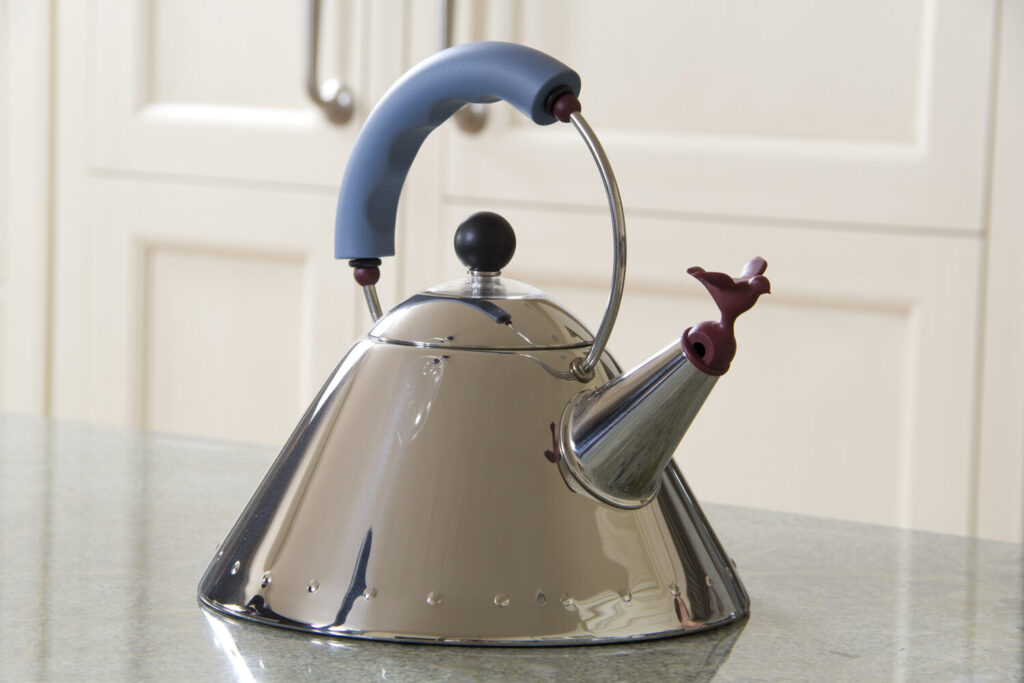
You do not need a temperature-controlled kettle. A basic kettle and a little patience get you within a few degrees, and a cheap kitchen thermometer lets you check your routine once.
Equipment: a kettle, a thermometer (optional but useful), your brewer, a scale, and a timer.
- Boil more water than you need, about 400 ml (1⅔ cups) for a 300 ml (1¼ cup) brew.
- Preheat your brewer and server with some of that water, then discard it. A cold ceramic or glass vessel can drop the brew temperature noticeably.
- For medium and light roasts, let the kettle rest for about 30 seconds off the boil. For dark roasts, wait closer to a minute or more. Your kettle and kitchen will change the exact figures.
- If you have a thermometer, check the water in the kettle once and note how long it took to reach your target. Repeat that timing from then on.
- Pour, brew and taste. Change the water temperature by about 2–3°C (4–5°F) at a time and nothing else, so you can tell what made the difference.
A gooseneck kettle also cools water slightly as it pours, which is one reason pour over tends to be forgiving of fully boiled water.
Altitude, kettles and other things that shift the number
The boiling point of water drops as you go higher, roughly 1°C for every 300 m (about 1°F per 500 ft). At 1,500 m (about 5,000 ft), water boils at roughly 95°C (203°F). That means fully boiling water is already in the ideal range, and you can skip the wait.
A few other factors change the real temperature in your brew bed:
- Vessel material: Thin glass and metal lose heat faster than thick ceramic.
- Dose size: Small brews cool faster than large ones.
- Room temperature: A cold kitchen in winter makes a visible difference in long immersion brews.
- Grind size: Finer grinds extract faster at any temperature. Check our grind size chart before blaming the kettle.
Reading the cup: what to change
Taste before you touch the dial, then change one thing. Temperature fixes some problems and makes others worse.
- Sour, thin, salty: Raise the temperature by 2–3°C (4–5°F), or grind finer.
- Bitter, dry, harsh: Lower the temperature by 2–3°C (4–5°F), or grind coarser.
- Flat but not sour or bitter: Look at freshness or ratio first, not temperature.
A simple starting routine
Start with water about 30 seconds off the boil, a medium roast and a recipe you already like. Brew it the same way for a few days, then move the water temperature in small steps. Write down what you changed, because a one-line note beats memory every time.
Once you know how your coffee reacts to heat, you can leave the thermometer in the drawer and rely on your kettle timing.
Frequently Asked Questions
Should coffee water be boiling?
Usually not. Fully boiling water at sea level is 100°C (212°F), which is a little above the ideal range for most methods. Letting the kettle rest for 30 to 60 seconds brings it into the 92–96°C (198–205°F) zone. At high altitude, boiling water is already cooler.
Does water temperature affect caffeine content?
Hotter water extracts caffeine somewhat faster, but grind size, brew time and ratio usually matter more. Cold brew can still end up quite caffeinated because of its long steep and high coffee dose. For specifics, see a dedicated caffeine guide.
What temperature is best for French press coffee?
Start around 93–96°C (199–205°F) for light and medium roasts, and a few degrees lower for dark roasts. Because French press steeps for several minutes, very hot water combined with a fine grind can taste bitter, so adjust one variable at a time.
Do I need a thermometer or a variable-temperature kettle?
No. A thermometer is helpful for checking your routine once, but timing the kettle after the boil works well. A variable-temperature kettle is convenient if you switch between roasts often, though it is not essential for good coffee.