

Coffee roast levels describe how far the heat has taken a bean, and that single choice shapes what you taste more than almost anything else on the bag. Light roasts tend to taste brighter and more fruity or floral. Medium roasts lean sweet and balanced. Dark roasts taste bolder, with bittersweet, smoky and chocolate notes.
What roast level does not do is change caffeine much, despite the common belief. This guide covers what happens inside the bean, how each level tastes, how to adjust your brewing, and a simple tasting you can run at home.
What Coffee Roast Levels Actually Mean
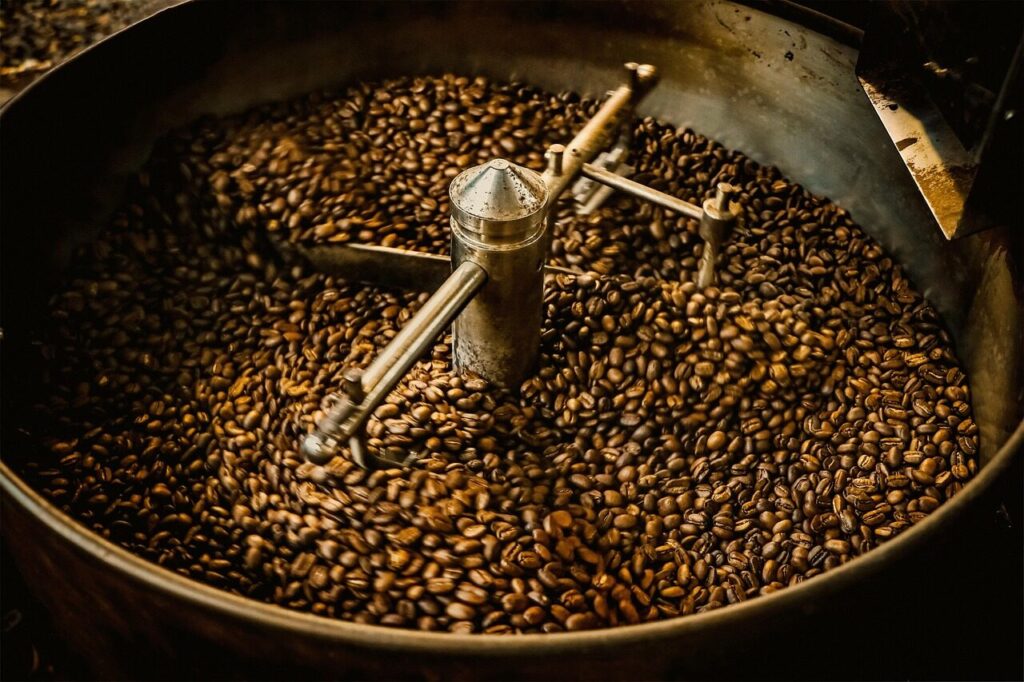
Green coffee is dense, grassy and not very flavorful. Roasting drives out moisture, browns the sugars and amino acids, and creates hundreds of aroma compounds. The beans lose a meaningful share of their weight in the process, commonly somewhere in the range of 12 to 20 percent, and they swell and become lighter and more brittle.
Roasters track two audible milestones. First crack happens at roughly 196°C / 385°F, when steam escapes and the beans pop. Second crack comes later, at roughly 224°C / 435°F, as the bean structure breaks down further and oils begin to move toward the surface. Exact temperatures vary with the roaster, batch size and where the probe sits, so treat them as approximate.
- Light roast: dropped around or shortly after first crack.
- Medium roast: dropped after first crack finishes, before second crack begins.
- Dark roast: dropped at or after the start of second crack.
One caution: there is no universal standard for names. A roaster’s “medium” can look like another’s “light,” and labels such as City, Full City, French or Italian mean different things from one company to the next. Use the name as a hint and the tasting notes as the real guide.
How Light, Medium and Dark Roasts Taste
As roasting progresses, the bean’s own character (its variety, origin and processing) gradually gives way to flavors created by the roast itself. That is the core trade-off. Lighter roasts show where the coffee came from. Darker roasts show how it was cooked.
| Trait | Light roast | Medium roast | Dark roast |
|---|---|---|---|
| Color of beans | Light to mid brown, dry surface | Mid to deep brown, usually dry | Dark brown to nearly black, often shiny |
| Acidity | Bright, lively | Moderate, rounded | Low, muted |
| Body | Lighter, tea-like | Medium, smooth | Heavy, syrupy |
| Typical flavors | Citrus, berry, stone fruit, floral, honey | Caramel, nuts, milk chocolate, baked fruit | Dark chocolate, cocoa nibs, toasted sugar, smoke |
| Origin character | Strong | Moderate | Faint |
| Bitterness | Low, though underextraction can taste sour | Low to moderate | Pronounced |
Light roast
Light roasts keep the most of the bean’s original acids and aromatics. A washed Ethiopian can taste like lemon tea and jasmine, while a Kenyan can lean toward blackcurrant. The body is thinner, which some drinkers read as clean and others as sharp.
These beans are denser and harder to extract. If a light roast tastes sour or grassy, it is usually underextracted rather than “bad coffee.”
Medium roast
Medium is where sugars have browned enough to taste like caramel and toasted nuts, yet some fruit and acidity remain. It is forgiving across brewing methods, which is why so many everyday coffees land here. If you are unsure where to start, medium is the safest first bag.
Dark roast
Dark roasts trade acidity for weight. You get bittersweet chocolate, roasted nuts and sometimes a smoky or charred edge. Push too far and the cup tastes of ash and carbon regardless of origin.
The oily sheen on very dark beans is simply oil that migrated to the surface during roasting. It is normal, though it can build up in grinders and in the hopper of automatic machines, so wipe them down regularly.
Caffeine, Density and Other Roast Myths
The belief that dark roast is “stronger” mixes up flavor intensity with caffeine. Caffeine is fairly stable under roasting heat, so beans of any roast level contain similar amounts by weight. Measured by scoop, dark beans are lighter and puffier, so a scoop can hold slightly less coffee and therefore slightly less caffeine. Measured on a scale, the difference is small. Our guide to how much caffeine is in a cup of coffee covers the bigger factors, such as brew method and serving size.
Other common mix-ups:
- “Dark roast is more bitter because it is better quality.” Roast level says nothing about quality. Very fresh, high-quality beans can be roasted at any level, and so can poor ones.
- “Light roast is underdone.” A well-made light roast is fully developed; it is simply stopped earlier. A truly underdeveloped roast tastes papery and sour, and that is a flaw, not a style.
- “Oily beans are fresher.” Surface oil points to a darker roast, not to freshness.
If you are curious about the bean itself before roasting, our guide to choosing coffee beans explains what to look for on the label.

Adjusting Your Brew to the Roast
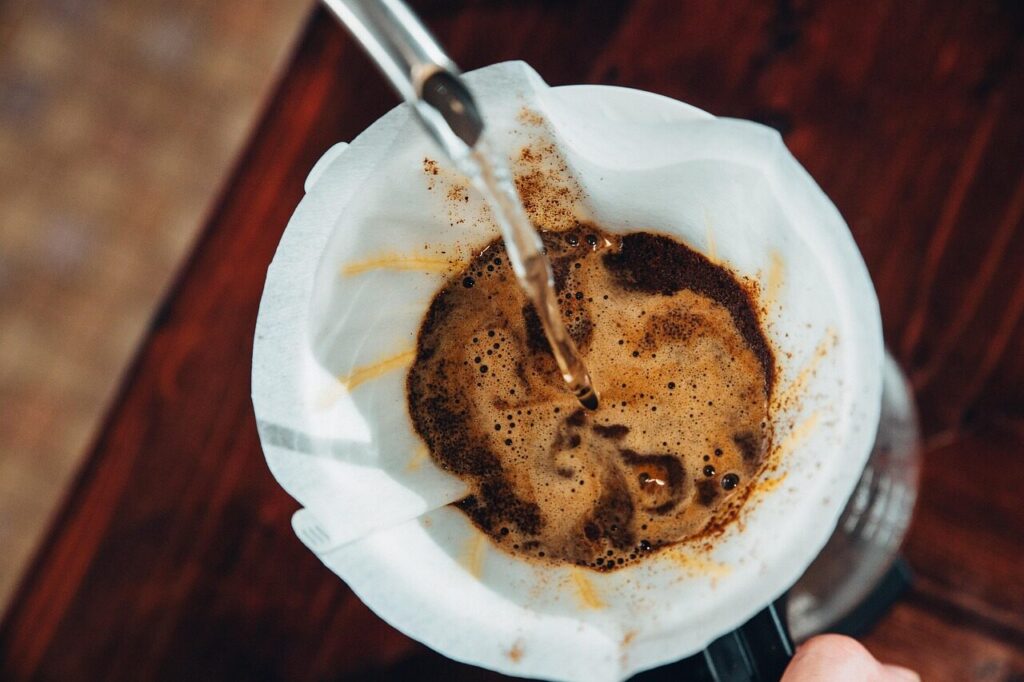
A light roast and a dark roast behave differently in water. Light beans are dense and release their flavor slowly, so they reward more energy: finer grind, hotter water, more agitation. Dark beans are brittle and porous, so they give up flavor quickly and turn harsh if pushed.
These are starting points, not rules. Adjust one thing at a time and taste.
| Variable | Light roast | Medium roast | Dark roast |
|---|---|---|---|
| Water temperature | 94–96°C / 201–205°F | 92–94°C / 198–201°F | 88–92°C / 190–198°F |
| Grind | Slightly finer than standard | Standard for the method | Slightly coarser than standard |
| Contact time | Standard to slightly longer | Standard | Standard to slightly shorter |
| If it tastes off | Sour or thin: grind finer or use hotter water | Flat: adjust grind a notch either way | Bitter or ashy: grind coarser or lower the temperature |
For grind settings by method, use our coffee grind size chart. For dose and water amounts, the coffee to water ratio chart gives a starting point for each brewer. Because dark roasts are less dense, weighing your coffee instead of using a scoop keeps your results consistent when you switch between roast levels.
Which Roast Suits Which Drink
Any roast can work in any drink, but some pairings are easier.
- Filter and pour over: light to medium roasts show off clarity and fruit. A medium roast is less demanding if your water or grinder is not dialed in.
- Espresso: traditionally medium-dark to dark in Italian-style blends, giving thick crema and chocolate notes. Lighter espresso roasts are common now, but they are less forgiving and often need finer grinding and careful adjusting. See our guide to making a good espresso for dialing in.
- Milk drinks: medium to dark roasts hold their flavor against milk. Very bright light roasts can taste sharp or get lost, depending on the milk ratio.
- Cold brew: medium and dark roasts produce a smooth, low-acid concentrate. Light roasts work too and taste fruitier.
- Turkish coffee: the beans are ground to a powder and simmered, so a medium roast with some sweetness usually works well. A very dark roast can turn bitter fast in the cezve. Our Turkish coffee recipe walks through the full method.
A Side-by-Side Roast Tasting at Home
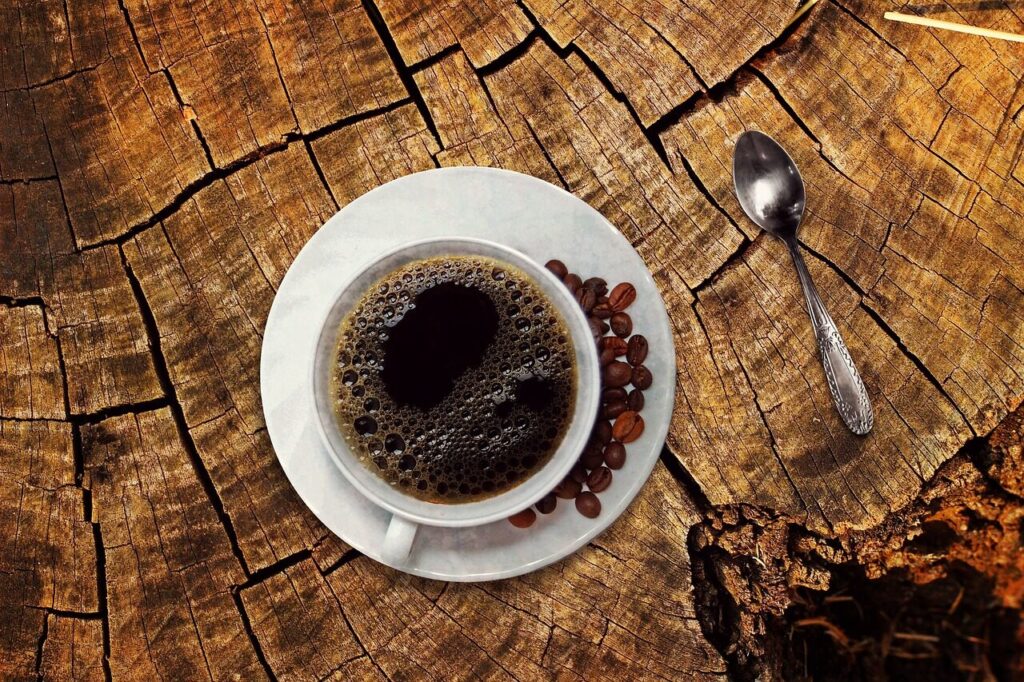
The fastest way to learn your preference is to taste three roasts brewed identically. Buy a light, a medium and a dark roast, ideally from the same roaster so the labels mean the same thing. Single-origin is not required, though keeping origin consistent makes the roast difference easier to hear.
Equipment
- Three bags of whole beans at different roast levels
- Burr grinder
- Kitchen scale
- One brewer (a pour-over cone or a French press works well)
- Kettle and thermometer
- Three identical cups
Steps
- Weigh 15 g of beans (about 3 tbsp ground) for each coffee, and measure 250 ml (about 1 cup) of water for each brew. This is a ratio of roughly 1:16.7.
- Grind each coffee at the same setting, a medium grind for the first round.
- Heat water to 94°C / 201°F. Use the same temperature for all three so the roast is the only variable.
- Brew each coffee with the same method and timing, and label the cups.
- Let the coffee cool for a few minutes. Taste from the lightest roast to the darkest, and sip plain water between cups.
- Note acidity (sharp or soft), body (thin or heavy), sweetness, and the finish (clean, lingering, bitter).
- If one cup tastes sour or harsh, brew it again with the adjustment from the table above and compare. This second round teaches you as much as the first.
Taste once more after the cups have cooled to a warm temperature. Acidity and sweetness often become easier to read as the coffee drops in temperature.
Picking Your Starting Point
If you like bright, juicy cups and enjoy tasting differences between origins, begin with a light roast and be ready to grind finer. If you want something comforting and chocolatey that handles milk, begin with a dark one. If you drink coffee mostly for balance and ease, medium is the anchor.
Most coffee drinkers end up keeping two bags open: a medium for daily cups and something lighter or darker for variety. Once you know which side of the spectrum you favor, you can use the roast date, the tasting notes and the grind to refine from there.
Frequently Asked Questions
Does dark roast have more caffeine than light roast?
Not meaningfully. Roasting changes caffeine very little, so by weight the levels are similar. Dark beans are less dense, so a scoop may hold slightly less caffeine. If you are sensitive to caffeine, brew method and serving size matter more than roast.
Which roast level is best for espresso?
It depends on taste. Medium-dark roasts are traditional and forgiving, giving chocolate notes and thick crema. Lighter espresso roasts taste fruitier and brighter but need more careful dialing in, often with a finer grind and hotter water.
Is dark roast easier on the stomach?
Some people find darker roasts gentler, and the idea is often linked to lower perceived acidity. Research on this is limited and mixed. If coffee causes reflux or stomach discomfort, talk to your doctor rather than relying on roast level alone.
Why does my light roast taste sour?
Sourness usually means underextraction. Light beans are dense and need more energy to dissolve their flavors. Try a finer grind, hotter water just off the boil, or a slightly longer brew time, changing one variable at a time.
What does “medium-dark” or “full city” mean?
These names are not standardized. They generally describe roasts between medium and dark, often near the start of second crack, but each roaster uses its own scale. Check the tasting notes and the roaster’s description for guidance.