

Shaken espresso is a double shot of espresso shaken hard with ice and a little sweetener, then poured over fresh ice and finished with cold milk. The shaking chills the shot in seconds and whips it into a light, foamy layer, so the drink tastes bolder and silkier than a regular iced latte.
You need an espresso shot, ice, a lidded shaker, and about two minutes. The whole technique comes down to three things: a well-pulled shot, a proper shake, and straining onto fresh ice. This guide covers each one.
Why Shaking Changes the Drink
Pouring hot espresso over ice does two things you don’t want: the ice melts unevenly, and the crema collapses. Shaking solves both problems at once. The shot hits a large amount of ice, drops in temperature fast, and traps air as it moves.
Sugar helps too. Dissolved in the hot shot, it gives the liquid body, so the bubbles hold longer and the foam looks creamy instead of airy. That is why most recipes shake the sweetener with the espresso rather than stirring it in afterward.
The drink has an older Italian cousin, the caffè shakerato. It uses espresso, sugar, and ice shaken together, then strained into a chilled glass with no milk. Shaken espresso borrows that method and adds milk on top.
Ingredients and Equipment
This recipe makes one 350 ml / 12 oz drink.
- Espresso: a double shot, 18 g (about 0.6 oz) of ground coffee yielding roughly 36–40 g (60 ml / 2 fl oz) in the cup
- Ice: about 120 g / 4 oz (roughly 1 cup) for the shaker, plus a handful for the glass
- Sweetener: 15 ml / 1 tbsp simple syrup, or 2 tsp (8 g) brown sugar
- Cold milk: 120 ml / 4 fl oz, straight from the fridge (around 4°C / 40°F)
- A shaker: a metal cocktail shaker, or a sturdy jar with a tight lid
- A strainer: built into most cocktail shakers
- A tall glass
If your shots taste sour or harsh, fix that first, because shaking won’t hide a poor extraction. Our guide to making a good espresso covers dose, grind, and timing.
How to Make Shaken Espresso Step by Step
- Fill your glass with fresh ice and set it aside. This is the ice you will serve over.
- Pull a double shot of espresso (brew water around 93°C / 200°F) directly into the shaker, or into a small cup if your shaker is too tall for the machine.
- Add the syrup or brown sugar to the hot espresso and stir for a few seconds until it dissolves.
- Add about 1 cup / 120 g of ice to the shaker. Pour the espresso in last, over the ice, so the cooling starts immediately.
- Close the shaker tightly and hold both halves firmly. Shake hard for 10 to 15 seconds, until the outside feels very cold.
- Strain the shot into the glass of fresh ice. Pour slowly so the foam lands on top.
- Pour 120 ml / 4 fl oz of cold milk over the foam. Stir once if you like, or leave the layers to blend as you drink.
A note on safety: hot liquid in a sealed container builds pressure. Adding the ice first, keeping the shake short, and holding the lid in place all reduce the risk of a pop. Open the shaker with a gentle twist rather than pulling it straight apart.
Don’t have an espresso machine? A moka pot or AeroPress can make a concentrated shot that works here. See our guide to making espresso without a machine for the options.

Shaken Espresso vs Similar Drinks
The drinks look alike in the glass, but they behave differently. Here is how they compare.
| Drink | Milk | Texture | Served |
|---|---|---|---|
| Shaken espresso | A small splash, added after shaking | Foamy top, strong coffee flavor | Over fresh ice |
| Iced latte | A large amount, usually most of the glass | Smooth and milky | Over ice |
| Caffè shakerato | None | Thick foam, very cold | Strained into a chilled glass, no ice |
Shaken espresso sits between the other two: more coffee-forward than an iced latte, more approachable than a straight shakerato. If you want the milkier version, our iced latte guide is the better starting point.
Fixing Common Problems
The drink tastes watery
Shaking for more than about 15 seconds melts too much ice. Use plenty of ice in the shaker, shake briefly, and always strain onto fresh cubes. Large, dense ice melts more slowly than small, wet cubes. For more on keeping iced coffee full-flavored, read how to make iced coffee that isn’t watery.
There is no foam
Weak foam usually comes from a stale shot or no sweetener. Freshly pulled espresso carries more crema, and a spoonful of syrup or sugar gives the bubbles something to cling to. Shake harder, not longer, and make sure the shaker is mostly sealed so air has room to move.
The shot tastes bitter
Cold temperatures don’t remove bitterness. If the espresso was over-extracted, it will still taste harsh after shaking. Try a slightly coarser grind or a shorter shot, and use a medium roast if you want a smoother result.
Variations Worth Trying
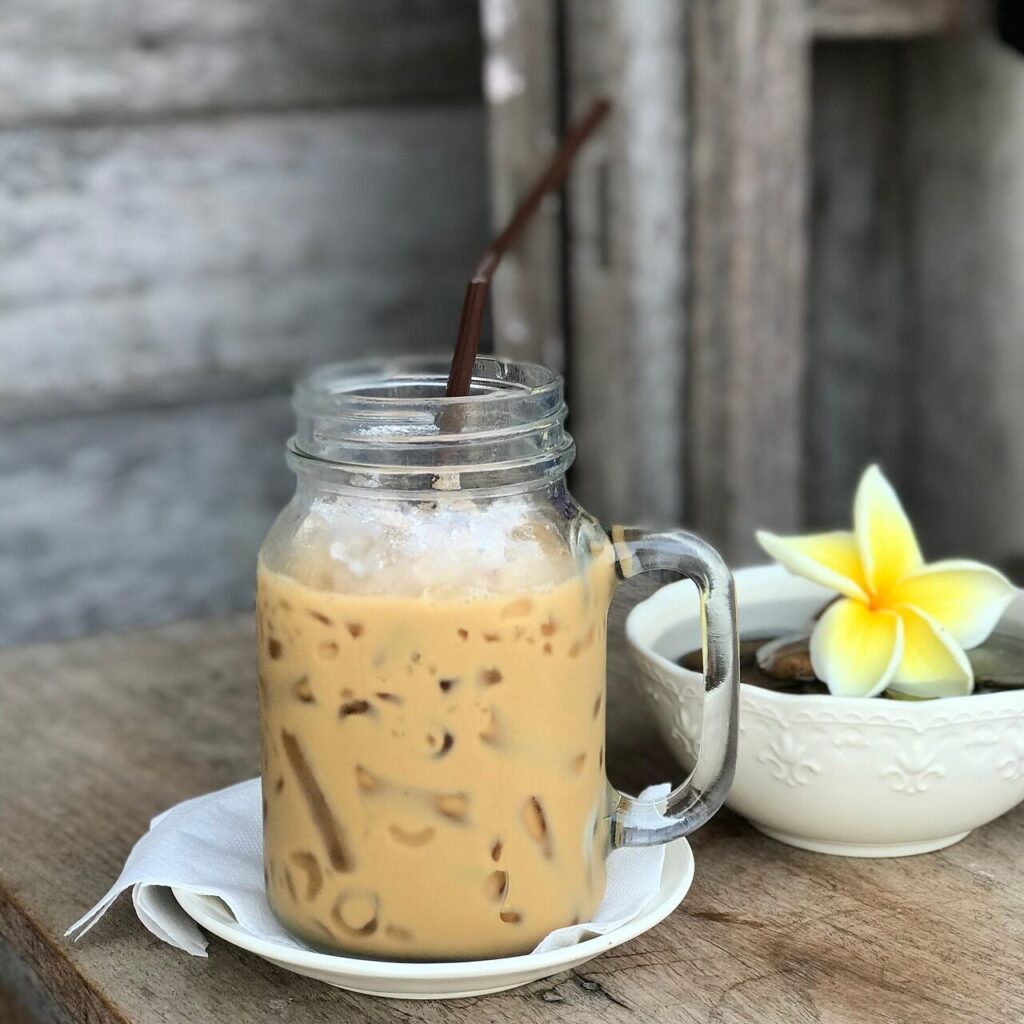
The base recipe is simple, so it takes changes well. Make one at a time so you can taste the difference.
- Brown sugar and cinnamon: dissolve the brown sugar in the hot shot and add a pinch of ground cinnamon before shaking.
- Vanilla: replace the simple syrup with 10 ml / 2 tsp of vanilla syrup. Our vanilla latte guide shows how to make a homemade version.
- Oat milk: a barista-style oat milk gives a creamy finish without dairy. See our oat milk latte guide for what to look for in a carton.
- Less sweet: use only 1 tsp of sugar, or skip it and accept a thinner foam.
- Extra cold: chill the glass and the milk before you start.
Avoid adding syrup or milk to the shaker with the espresso. Milk shaken with hot coffee turns into an uneven froth that is hard to control.
Serving and Making It a Habit
Drink the shaken espresso soon after pouring. The foam is at its best in the first few minutes, and the ice keeps melting. A wide straw lets you sip through the foam, though a spoon works if you want to taste it first.
Once the basic version feels easy, adjust one thing per batch: the sweetener, the milk, or the shot length. Keep notes on what you changed, because small differences in ice and shot size show up quickly in this drink.
Frequently Asked Questions
Do I need an espresso machine to make shaken espresso?
No. Any strong, concentrated coffee works, such as a moka pot brew or an AeroPress made with a higher coffee-to-water ratio. It will taste different from true espresso and have less crema, but it still gets foamy when shaken with ice and sugar.
Can I use a mason jar instead of a cocktail shaker?
Yes, if the jar is thick and the lid seals tightly. Add the ice before the hot espresso, shake briefly, and hold the lid firmly. A metal shaker is safer with hot liquid and chills the drink faster than glass does.
Why is my shaken espresso not foamy?
The usual causes are old coffee, no sweetener, or too little shaking. Use a freshly pulled shot, dissolve some sugar or syrup in it, and shake hard for 10 to 15 seconds in a sealed shaker with plenty of ice.
Is shaken espresso stronger than an iced latte?
It tastes stronger because it uses less milk, but caffeine depends on the number of shots. A double shot in either drink has the same amount. If you are sensitive to caffeine or have a medical concern, ask your doctor about your daily limit.