

Iced coffee turns watery for one reason: the ice melts into a drink that was brewed at normal strength. The fix is to brew it stronger on purpose, so that melting ice brings it to the right strength instead of past it.
There are three reliable ways to do that: brew hot coffee directly onto ice, steep a cold brew concentrate, or freeze coffee into the ice itself. Each has exact ratios below, so you can repeat the result every time.
Why iced coffee goes weak
A regular cup of filter coffee is balanced to taste good hot. Pour it over a full glass of ice and a large share of the glass becomes water within minutes. The flavor thins out while the ice is still melting.
Cold also changes how you taste. Chilled drinks tend to seem less sweet and less aromatic than hot ones, so a brew that tastes pleasant at 60°C (140°F) can seem flat at 5°C (41°F). Aim for a drink that tastes slightly too strong before the ice goes in.
Two things control dilution: how concentrated the coffee is, and how fast the ice melts. We cover both below, starting with the best all-round method.
Flash-chilled iced coffee: hot brew straight onto ice
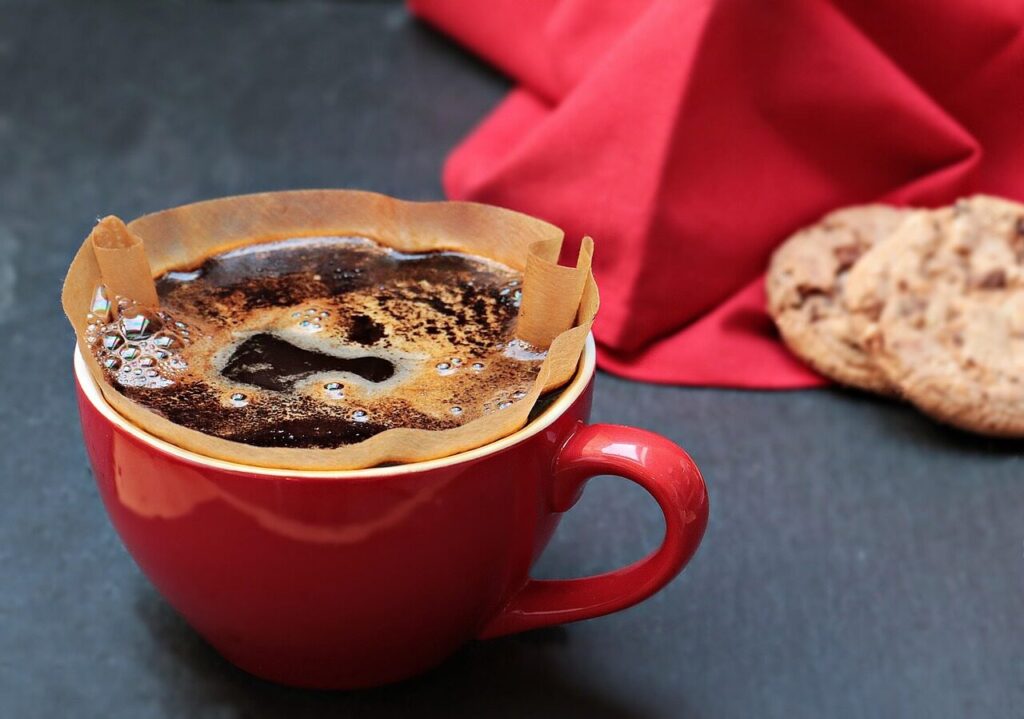
This is the fastest route to a clean, bright glass. You brew a hot pour-over with less water than usual and let it drip onto ice in the server. The coffee cools in seconds, which helps keep the aromas that slow cooling can dull.
It works with any dripper you already use. If you need a refresher on the basics, our guide to making filter coffee covers the technique.
Ingredients and equipment
- 20 g (about 3 tbsp) medium-ground coffee
- 200 ml (6¾ fl oz) water at 94°C (201°F)
- 120 g (about 4¼ oz) ice cubes
- Pour-over dripper, paper filter, server or jug, kettle, scale
- A glass filled with fresh ice for serving
Steps
- Put the 120 g of ice in the server and set the dripper on top with a rinsed filter.
- Add the ground coffee and pour about 40 ml (1⅓ fl oz) of hot water to wet all the grounds. Wait 30 to 40 seconds.
- Pour the remaining water slowly in small circles. Aim to finish dripping at around 2½ to 3 minutes.
- Swirl the server until the ice has mostly melted and the coffee is cold. You should have roughly 300 ml (10 fl oz).
- Pour over fresh ice in a glass and drink right away.
The ice in the server is part of the recipe. It counts as brewing water, which is why the hot water is only 200 ml. If you skip it and add only the hot water, the result will be a small, strong coffee rather than a full glass.
Cold brew concentrate for a make-ahead jar
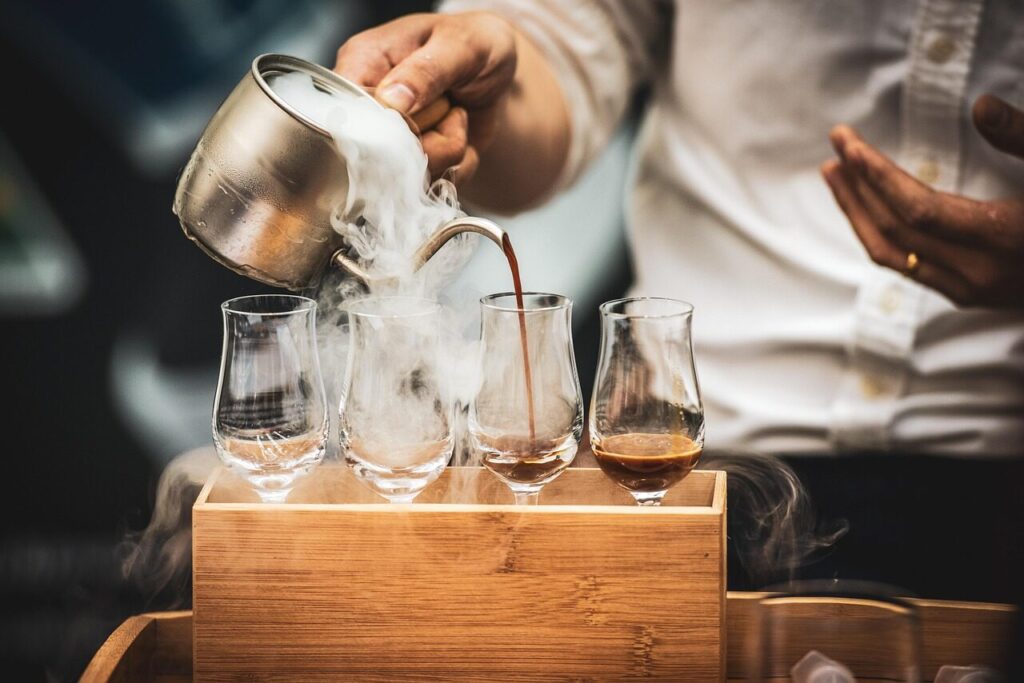
Cold brew steeps ground coffee in cold water for many hours. It tastes smooth and low in sharp acidity, and a concentrate gives you room to dilute it without losing body. Our article on choosing a tool for cold brew compares jars, presses and drippers, so we will stay with the recipe here.
Ingredients and equipment
- 100 g (about 1¼ cups) coarsely ground coffee
- 800 ml (3⅓ cups) cold filtered water
- A large jar with a lid, plus a paper filter or fine strainer
Steps
- Combine the coffee and water in the jar and stir until every ground is wet.
- Cover and refrigerate for 12 to 16 hours.
- Strain through a paper filter into a clean jar. Paper takes longer than a strainer but removes the fine sediment.
- For one glass, mix equal parts concentrate and cold water, or concentrate and milk, and pour over ice.
This is a roughly 1:8 brew, so it is a concentrate. Taste it at 1:1 and adjust. If it feels too strong, add more water a splash at a time. If it feels thin, dilute less or steep the next batch a little longer.
If your drink is milk-based, the iced latte guide shows how to build it with espresso.
Coffee ice cubes that never dilute
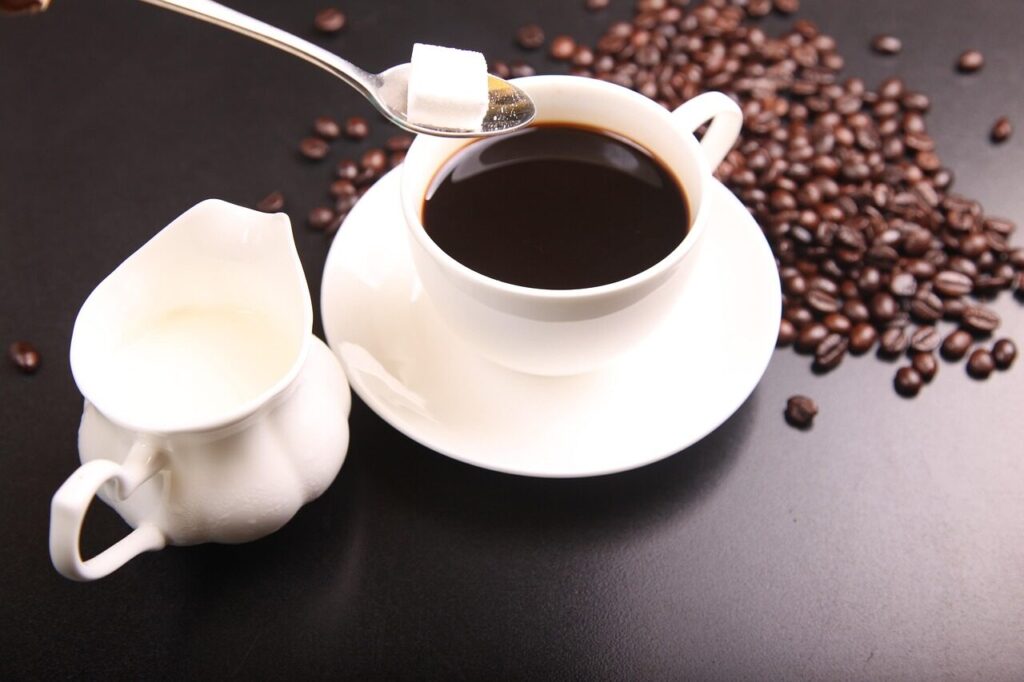
Instead of fighting the melt, make the ice from coffee. As the cubes melt they add coffee rather than water, so the last sip tastes like the first.
Pour cooled coffee or diluted concentrate into an ice tray and freeze until solid. Use them in iced coffee, over a splash of milk, or in a glass of cold brew. Store the frozen cubes in a lidded container, because freezer odors transfer easily to coffee.
There is a trade-off: the drink gets stronger as it sits. That suits anyone who sips slowly. If you want an even strength, use half coffee cubes and half regular ice.

Which method fits you
| Method | Time needed | Taste | Best for |
|---|---|---|---|
| Flash-chilled pour-over | About 5 minutes | Bright, aromatic, clear | One or two glasses on demand |
| Cold brew concentrate | 12 to 16 hours, mostly hands-off | Smooth, mellow, full-bodied | A jar ready to pour for several days |
| Coffee ice cubes | Freezer time plus any brew | Stays strong as it melts | Slow sipping and milk drinks |
You can also combine them. A glass of cold brew over coffee cubes is about as watery-proof as iced coffee gets.
Beans and grind for cold drinks
Medium roasts are a safe starting point. Lighter roasts keep more fruit and floral notes, which work well in the flash-chilled method. Darker roasts give a heavier, chocolatey body that holds up in milk and in cold brew.
The grind should match the method. Use a medium grind for flash-chilled coffee, about what you would use for a regular pour-over, and a coarse one for cold brew. If your hot brew tastes too thin, grind slightly finer for the next round. Our guide to grinding coffee beans explains the settings in more detail.
If you are still deciding what to buy, how to choose coffee beans helps you narrow it down. Whatever you pick, use freshly ground coffee when you can, since a cold drink gives stale flavors nowhere to hide.
Ice, glass and sweetener
Ice quality is easy to overlook. Large cubes melt more slowly than small ones because they have less surface area for their volume. Make them from filtered water, as ice from a freezer that holds strong-smelling food can add off flavors to the coffee.
Fill the glass to the top. A glass packed with ice stays colder, so the cubes melt more slowly than a few cubes floating in a lot of liquid. Chilling the glass first helps slightly too.
Sugar dissolves poorly in cold coffee and tends to sink to the bottom. Use simple syrup instead:
- 100 g (½ cup) sugar
- 120 ml (½ cup) hot water
Stir until clear, let it cool, and store it in a clean jar in the fridge. Start with a teaspoon per glass and adjust. If you want to sweeten the flash-chilled method without syrup, dissolve the sugar in the server before you start brewing.
Fixing a glass that still tastes off
If a glass tastes sour or sharp, the coffee is probably under-extracted. Grind a bit finer or make the water hotter in the flash method, or steep the cold brew a few hours longer.
If it tastes bitter or harsh, the grind is likely too fine, or the hot water has run through too slowly. Go coarser and shorten the pour time.
If it is simply weak, change the ratio before anything else. Add 2 g more coffee to the flash-chilled recipe, or dilute the concentrate less.
A good espresso also makes an excellent base for cold drinks. Our article on how to make a good espresso shows how to pull a shot worth pouring over ice.
Setting up a routine for iced coffee at home
The easiest habit is to keep two things ready: a jar of cold brew concentrate in the fridge and a tray of coffee cubes in the freezer. That covers a quick glass or a milk drink without any real brewing.
Use the flash-chilled method on days when you want something brighter and more aromatic. Keep a note of the ratio that suits your taste, and change only one variable at a time, such as grind, dose or dilution, so you can tell what made the difference.
Frequently Asked Questions
Can I just pour hot coffee over ice?
You can, but it will taste diluted unless the coffee was brewed stronger. Hot coffee melts a lot of ice quickly. Use the flash-chilled ratio in this article, which already counts the melting ice as part of the water.
How long does cold brew concentrate keep in the fridge?
Stored in a sealed, clean jar, concentrate generally tastes best within about a week. If it smells sour or off, discard it. Hot-brewed coffee that you chill in the fridge is best used within a day or two.
Is iced coffee stronger in caffeine than hot coffee?
Not by default. Caffeine depends on how much coffee you use and how much liquid you drink. A concentrate can contain a lot of caffeine per sip before dilution. If you are sensitive to caffeine, pregnant or take medication, ask your doctor how much suits you.
Can I use espresso for iced coffee?
Yes. A shot or two poured over ice and topped with cold water gives a quick, strong drink. Add the water first if you want a milder result, and pour the espresso last so the layers stay distinct.