

Brazilian coffee is the backbone of the coffee world. Brazil has been the largest producer for well over a century, and its beans end up in espresso blends, instant coffee and single-origin bags alike. In the cup, expect chocolate, roasted nuts and caramel, a heavy body and soft, low acidity.
Inside Brazil, coffee is less about origin and more about habit. The standard serving is the cafezinho, a small, strong, usually sweetened cup offered after meals, at shops and to any guest. This guide covers where the coffee grows, why it tastes the way it does, and how to brew a cafezinho at home.
How Coffee Took Hold in Brazil
Coffee arrived in Brazil in the early 18th century. The introduction is usually credited to Francisco de Melo Palheta, who brought seeds from French Guiana to the north of the country. Cultivation then moved south to the hills around Rio de Janeiro and later to São Paulo and Minas Gerais.
By the 19th century coffee dominated the Brazilian economy. That expansion relied heavily on enslaved labor until abolition in 1888, a part of the story that is worth remembering when you drink the coffee. Production later shifted again, with plantings moving away from frost-prone areas, and today the biggest volumes come from Minas Gerais, Espírito Santo and São Paulo.
For a ranking of the biggest producers and how Brazil compares, see our piece on the three biggest coffee producing countries.
Brazilian Coffee Regions and What They Taste Like
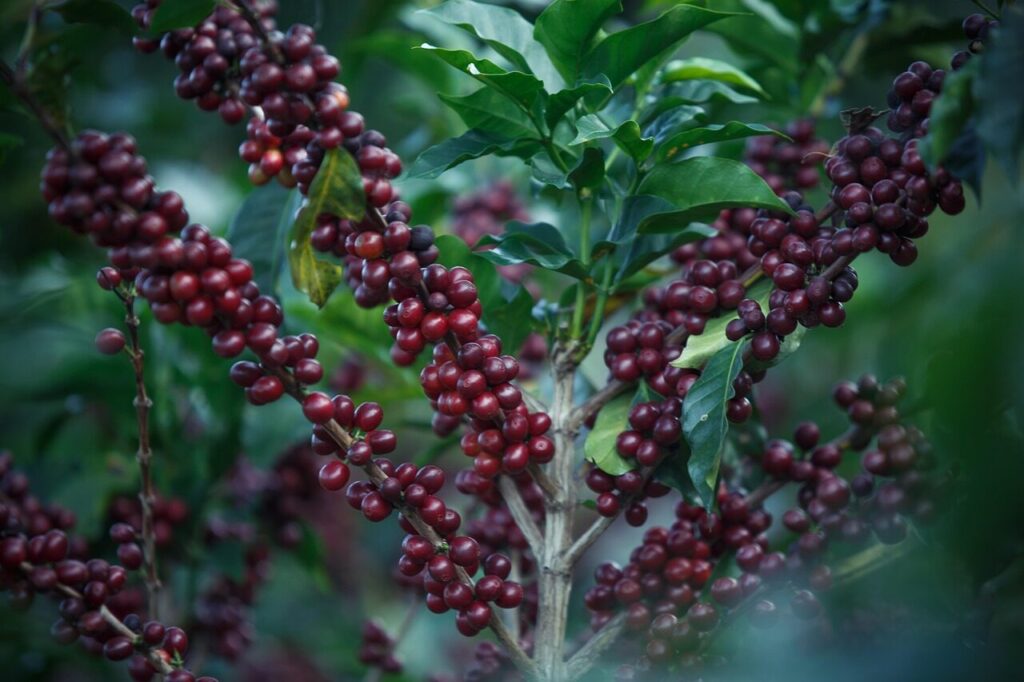
Brazil is huge, and its growing areas differ in terrain, altitude and species. Some are hilly and farmed by hand; others are flat plateaus where machines do the harvesting. The table gives a general picture. Individual farms and harvests vary, so treat the cup notes as tendencies rather than rules.
| Region | Main coffee | Typical cup |
|---|---|---|
| Sul de Minas (Minas Gerais) | Arabica | Balanced, caramel and chocolate, gentle fruit |
| Cerrado Mineiro (Minas Gerais) | Arabica | Nutty, chocolatey, sweet, round body |
| Mogiana (São Paulo and southern Minas) | Arabica | Smooth, chocolate and nuts, medium to full body |
| Espírito Santo | Robusta (conilon), some arabica in the highlands | Conilon is earthy and strong; highland arabica is brighter |
| Bahia | Arabica on the plateau, some robusta near the coast | Varies by zone; often sweet and mild |
| Rondônia | Robusta | Full body, low acidity, used in blends |
| Paraná | Arabica | Soft and mild, produced in smaller volumes |
Cerrado Mineiro was the first Brazilian coffee region to receive a formal designation of origin. Its flat land and distinct dry season let growers harvest and dry cherries with consistent results, which is one reason its coffee is a common choice for roasters who want reliability.
Brazil also grows a great deal of robusta, which locals call conilon. If the difference between the two species is new to you, our guide to arabica and robusta explains it.
Processing and Varieties Behind the Flavor
Much of the Brazilian character comes from processing. A large share of the crop is natural processed: whole cherries are dried on patios or raised beds, then hulled. The fruit stays on the bean while it dries, which tends to add sweetness, body and a lower, rounder acidity.
A second common method is pulped natural, sometimes sold as honey process. The skin is removed but some of the sticky fruit layer stays on during drying. The result sits between natural and washed: still sweet and heavy, but usually cleaner. Fully washed lots exist, though they are less typical.
Varieties matter too. Bourbon, Catuaí and Mundo Novo are widely grown, and yellow Bourbon is a familiar name on specialty bags. These are all arabica types, and our guide to arabica coffee types shows how the families relate.
Harvest in Brazil falls in the Southern Hemisphere winter, roughly from May to September, which is the opposite of Central America or Ethiopia. If a bag shows a harvest date or crop season, that tells you how fresh the green coffee was when it was roasted.

What Brazilian Coffee Tastes Like in the Cup
The short version is low acidity, medium to full body and sweet, comforting flavors. Think milk chocolate, hazelnut, peanut, brown sugar and sometimes dried fruit. Compared with many Ethiopian or Kenyan coffees, there is less citrus sparkle and more softness.
That profile is why Brazilian beans are so common in espresso blends. They give crema, body and a chocolatey base that stands up to milk. If you drink cappuccinos or lattes, a Brazilian component in the blend is probably doing a lot of the work. Our roast level guide helps explain how a medium or darker roast pushes these notes further.
Not every lot is a good one. Poorly handled natural coffee can taste fermented, sour or papery, and a very dark roast can flatten everything into bitterness. Buying from a roaster that names the farm or region and roasts to a medium level is the easiest way to avoid both problems.
Cafezinho: The Small Cup Brazilians Drink All Day
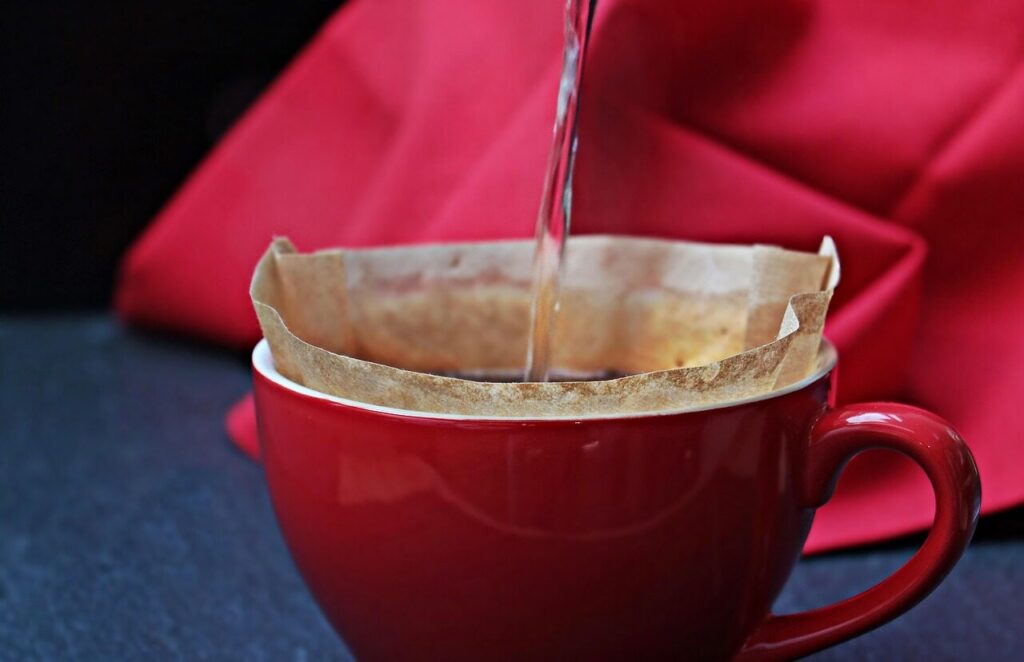
Cafezinho means “little coffee.” It is served in small cups, strong and typically sweet, in homes, offices, bakeries and shops. Offering one is a basic gesture of hospitality, and it often follows lunch or dinner.
The traditional method uses a cloth filter, called a coador de pano, hung on a small stand over a pot. Hot water goes through coarse-to-medium ground coffee, and sugar is often dissolved in the water beforehand so the whole pot is sweet. Brazilians also drink coffee with milk. Pingado is coffee with a splash of milk, and café com leite is the breakfast version with more milk.
Cafezinho at Home
This makes about four small cups of roughly 100 ml (3.5 fl oz) each.
Ingredients and equipment
- 480 ml / 2 cups fresh water
- 40 g / about 7 tbsp medium-ground Brazilian coffee
- 25 g / 2 tbsp sugar, or to taste (optional, but traditional)
- Small pot or kettle, cloth filter on a stand or a paper cone, small cups
- Heat the water with the sugar in a small pot, stirring until the sugar dissolves.
- Bring it just to a boil, then take it off the heat and let it settle for about 30 seconds. You want roughly 92–96 °C / 198–205 °F.
- Wet the cloth or paper filter with a little hot water and place it over a clean pot or carafe.
- Add the ground coffee to the filter.
- Pour the hot water over the coffee in two or three slow stages, letting each one drain before adding the next.
- Remove the filter, stir the pot once and pour into small cups. Serve right away.
If your cafezinho tastes harsh, the grind is probably too fine or the water too hot; the grind size chart can help you adjust. For a stronger cup, use a bit more coffee rather than a longer pour.
Buying and Brewing Brazilian Coffee
Look for a bag that names the region or farm, the process (natural, pulped natural or washed) and a roast date. A medium roast brings out chocolate and nuts without covering them in roast flavor. Beans from Cerrado or Sul de Minas are an easy starting point if you want the classic profile. Our guide on how to choose coffee beans covers the rest of the label.
Brazilian coffee suits several methods:
- Espresso: forgiving, sweet and heavy in body, good with or without milk.
- Moka pot or French press: the chocolate and nut notes come through well.
- Filter or pour over: choose a pulped natural or washed lot if you want a clearer cup.
- Cold brew: the low acidity gives a smooth, sweet result.
A Simple Way to Start
Buy one bag of medium-roast coffee from Minas Gerais, brew it two ways, and taste them side by side. Try a cafezinho in the traditional style and the same beans as an espresso or moka pot. You will quickly see why this one origin sits behind so many familiar cups.
Frequently Asked Questions
Is Brazilian coffee strong?
Brazilian coffee is usually full in body and low in acidity, which many people read as “strong.” Caffeine depends mainly on species and how you brew, not origin. Robusta from Brazil, called conilon, has more caffeine than arabica.
Is Brazilian coffee good for espresso?
Yes. Its chocolate and nut flavors, heavy body and low acidity make it a common base in espresso blends. Single-origin Brazilian espresso tastes sweet and round, and it pairs well with steamed milk.
What does cafezinho taste like?
Cafezinho is strong, hot and typically sweet, with a clean, smooth finish when brewed through a filter. The sugar softens bitterness and highlights chocolate and caramel notes. It is served in small cups, so a little goes a long way.
Is Brazilian coffee acidic?
Generally less than coffees from East Africa or Central America. Brazilian arabica usually has soft, low acidity with a sweet, nutty profile. Lighter roasts or washed lots can taste brighter, but the cup rarely reads as sharp.
What is the difference between cafezinho and espresso?
Espresso is made under pressure in a machine and has crema. Cafezinho is filtered by gravity, usually through cloth, and is often sweetened in the pot. The cup size is similar, but cafezinho tastes lighter in texture and sweeter.