

Sour coffee almost always means the water pulled too little out of the grounds. Acids dissolve early in a brew, while sweetness and body arrive later. If the brew stops too soon, you taste the acids and miss the rest. That is under-extraction.
The fix is to extract more: grind finer, use hotter water, or give the coffee more contact time. Sometimes the beans are the cause instead, so below we cover how to tell the difference and how to adjust without overshooting.
Sour or Just Bright? How to Tell
Good coffee can be acidic in a pleasant way. Bright acidity tastes juicy, like citrus or berries, and it comes with sweetness and a finish that lingers. Sourness is sharper and thinner. Think lemon peel, unripe fruit, or a faint saltiness, with a body that feels hollow and fades quickly.
Here is a simple check. Let the cup cool for a few minutes and taste again. If sweetness shows up as it cools, you are probably drinking a bright coffee. If it stays sharp and watery, the brew is under-extracted.
Common Causes of Under-Extraction
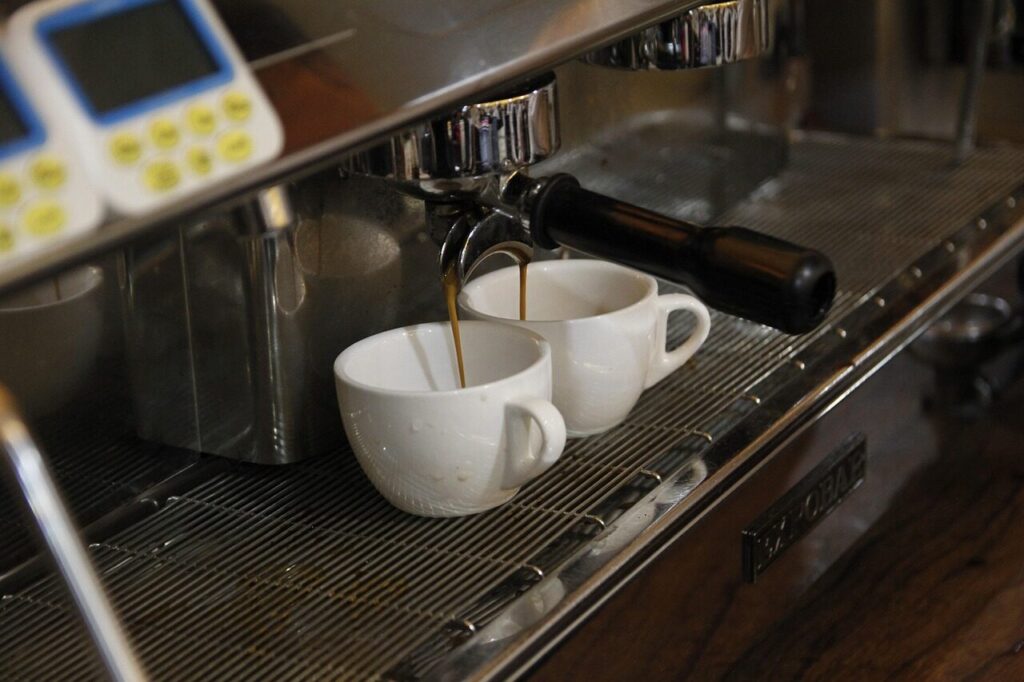
Extraction depends on four things: how fine the grind is, how hot the water is, how long water and coffee touch, and how much water you use per gram of coffee. Most sour cups come from one of these being off.
| Cause | What you notice | First change |
|---|---|---|
| Grind too coarse | Water drains fast, cup tastes thin and sharp | Go one step finer |
| Water too cool | Flat, sour, little sweetness | Raise to 93–96°C / 199–205°F |
| Brew time too short | Sour start, no finish | Pour slower or steep longer |
| Too much water for the dose | Weak and sour together | Use less water or more coffee |
| Uneven wetting (channeling) | Sour and bitter notes in the same cup | Wet all grounds evenly, level the bed |
| Cold brewer or cup | Water cools before it can extract | Preheat the brewer and server |
Grind size is the most common culprit, and the easiest to change. Our coffee grind size chart shows where each method should sit, so you can see how far off your setting is.
How to Fix Sour Coffee Step by Step
Change one thing per brew. If you adjust three variables at once, you will not know which one helped.
As a baseline for a pour over, use 20 g of coffee (about 3 tbsp) and 320 ml of water (about 1⅓ cups). That is a 1:16 ratio.
- Weigh your coffee and water. Scoops vary with roast and grind, and guessing makes it hard to repeat a good cup.
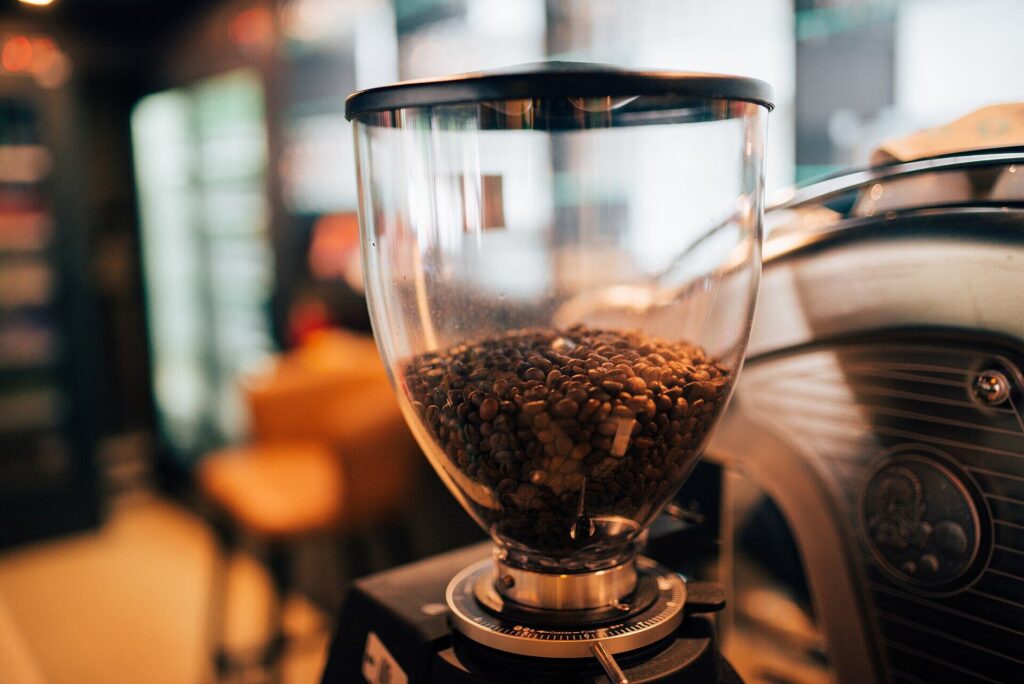
- Grind finer. Move one notch at a time. A finer grind exposes more surface area and slows the water down, so more flavor dissolves.
- Raise the water temperature. For most brews, water just off the boil works well. Let a kettle at 100°C / 212°F rest for about 30 seconds and you land near 95°C / 203°F. Our guide to the best water temperature for brewing coffee covers the details by method.
- Add a proper bloom. Pour about twice the coffee’s weight in water first (40 ml / about 3 tbsp for 20 g of coffee). Wait 30–45 seconds, then continue. This wets the grounds evenly and releases trapped gas.
- Slow the pour. Add water in gentle circles over about 2:30 to 3:30 in total, rather than dumping it in at once.
- Check the ratio. If the cup is sour and weak, try 20 g of coffee with 300 ml (about 1¼ cups) of water.
Taste after each change and keep a short note. You are looking for the point where sweetness appears and the sharpness softens.
Sour Coffee in Different Brewing Methods
The same problem looks a little different depending on how you brew. These are common starting points, not strict rules.
| Method | Typical timing | If it tastes sour |
|---|---|---|
| Espresso | 25–30 seconds for 18 g in, 36 g out (0.6 oz in, 1.3 oz out) | Shot under 20 seconds: grind finer |
| Pour over | 2:30–3:30 total | Grind finer, pour slower, use hotter water |
| French press | About 4 minutes of steeping | Steep longer or grind slightly finer |
| AeroPress | 1:30–2:00 with stirring | Stir more, use hotter water |
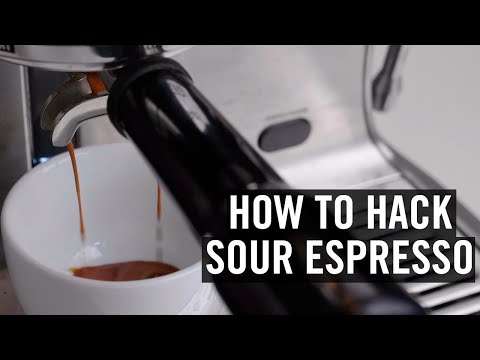
Espresso is the least forgiving, because small changes in grind make big differences in flow. If your shots run fast and taste sharp, work through our guide on how to make a good espresso. Machines that can’t hold a stable brew temperature may also give sour shots no matter how you grind.
With immersion brewers like a French press, the grounds sit in the water, so time matters more than flow. If it tastes sour after four minutes, add another 30 seconds before changing anything else.
When the Beans Are the Problem
Roast level changes how easy a coffee is to extract. Light roasts are denser and hold more of their natural acids, so they need finer grinds and hotter water than darker roasts. A recipe that suits a dark roast can taste sour with a light one. Our article on light, medium and dark roast explains what changes in the cup.
Origin matters too. Some beans, such as many washed East African coffees, are naturally high in bright acidity. That is a feature, not a flaw, but it needs balanced extraction to taste sweet instead of sharp.
Freshness plays a part in both directions. Very fresh beans in their first few days after roasting can extract unevenly, especially in espresso. Old, stale beans tend to taste flat and papery rather than bright, and may taste sour when brewed. If you have changed your recipe several times and nothing helps, try a fresh bag. Also check that your water is not extremely soft or extremely hard, as either can distort acidity.
Don’t Overcorrect
If you push too far, you will swap sour for the opposite problem: harsh, dry, bitter coffee from over-extraction. When the sharpness disappears but a drying, ashy edge shows up, step back half a notch on the grinder. Our guide on why coffee tastes bitter covers that side of the balance.
The target is in the middle. Sweetness, gentle acidity and a clean finish tell you the extraction is about right.
A Simple Routine for Your Next Brew
Pick one method and one bag of coffee and stick with them for a few brews. Start from the baseline recipe, change the grind first, and write down what you did and what you tasted.
Within three or four cups you will usually find a setting that tastes sweet and clear. After that, the same notes help whenever you switch to a new bag.
Frequently Asked Questions
Is sour coffee the same as acidic coffee?
Not exactly. Acidity is a pleasant, bright quality in good coffee, like citrus in a fruit. Sourness is a sharp, thin, unbalanced taste, usually from under-extraction. If you have reflux or a sensitive stomach, ask your doctor about coffee.
Can old coffee beans make coffee taste sour?
Yes, they can. Stale beans lose sweetness and aroma, so the brew can taste flat, papery or sharp. Check the roast date, store beans airtight away from heat and light, and try a fresh bag if your recipe adjustments don’t help.
Why is my espresso sour even with a fine grind?
Check the shot time, dose and yield, not just the grind setting. Uneven puck preparation can cause channeling, and a machine that is not fully heated can brew too cool. Also, very light roasts often need a higher yield or hotter water.
Does adding milk or sugar fix sour coffee?
They can mask it, since milk and sugar soften sharp flavors. They don’t solve the cause, though, and the cup may still taste thin. Adjusting grind, temperature or brew time usually gives a better result than covering the sourness.