

Colombian coffee is known for a balanced, medium-bodied cup. Expect caramel or brown sugar sweetness, nuts or milk chocolate in the middle, and a fruity acidity that tastes juicy rather than sharp. It is a good all-rounder, which is why it is such a common place to start for people learning to taste specialty coffee.
The details shift by region, though. Coffees from the high, cool south tend to be brighter and more floral or fruity. Those from the central and northern mountains are usually rounder and more chocolatey. Below you will find the main regions, how to read a Colombian label, and a simple recipe for tasting the differences at home.
Why Colombian Coffee Tastes So Balanced
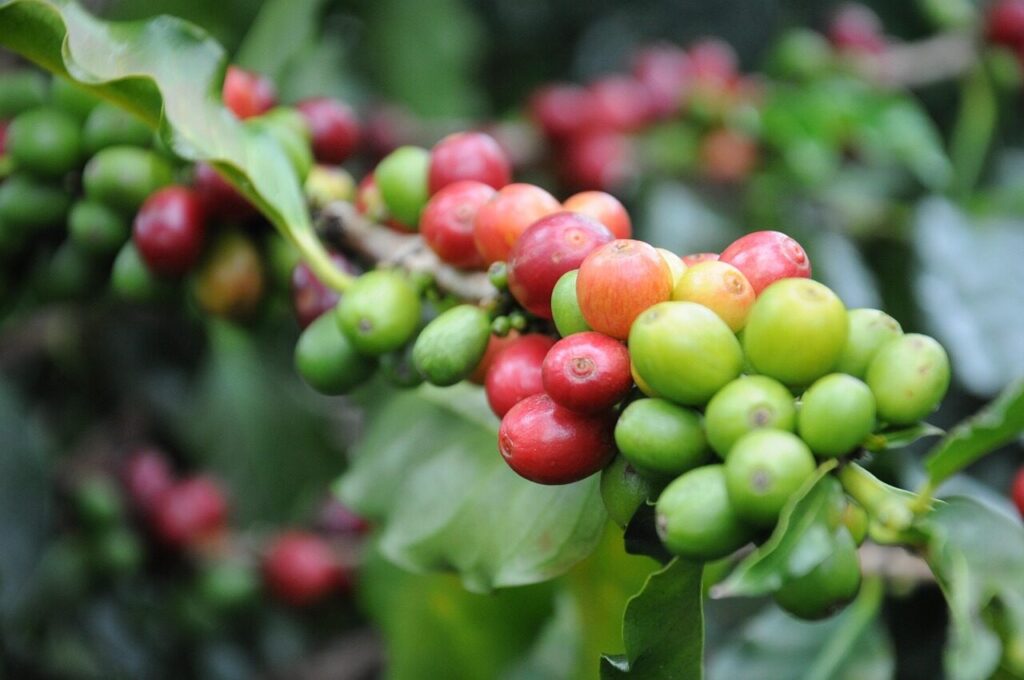
Colombia is consistently among the largest coffee producers in the world, and you can see how it compares in our look at the biggest coffee producing countries. What sets it apart is less the volume than the combination of conditions. Nearly all of the coffee is arabica, and the Andes split the country into three mountain ranges with steep, well-drained slopes close to the equator.
Most farms sit somewhere between about 1,200 and 2,000 meters (roughly 3,900 to 6,600 feet). At those altitudes the cherries ripen slowly. Slow ripening generally gives denser beans with more sugar and more defined acidity. Because the country is near the equator, temperatures stay fairly steady, and many areas have a main harvest and a smaller secondary one called the mitaca. The timing differs between the southern and north-central regions, so fresh crop is available from somewhere in the country for much of the year.
Processing adds to the consistency. Most Colombian coffee is washed: the cherry is pulped, the beans are fermented briefly, rinsed and then dried. This tends to produce a clean cup where sweetness and acidity are easy to pick out. Some producers now experiment with natural and honey processing, which gives a fruitier, heavier profile, but washed is still the baseline you will meet most often.
Most farms are small family operations of a few hectares, and many growers deliver to cooperatives or buying points. The national growers’ federation also runs a research center that has bred varieties for the local climate.
Common varieties include:
- Caturra: a compact Bourbon mutation, known for bright acidity and good sweetness.
- Typica and Bourbon: older varieties with elegant, sweet cups.
- Castillo: bred for resistance to leaf rust, a fungal disease. It is now widely planted and often tastes clean and balanced.
- Geisha and Pink Bourbon: found in small specialty lots, usually with floral or tea-like notes.
For a wider view of how varieties differ, see our guide to arabica coffee types.
Colombian Coffee Regions at a Glance
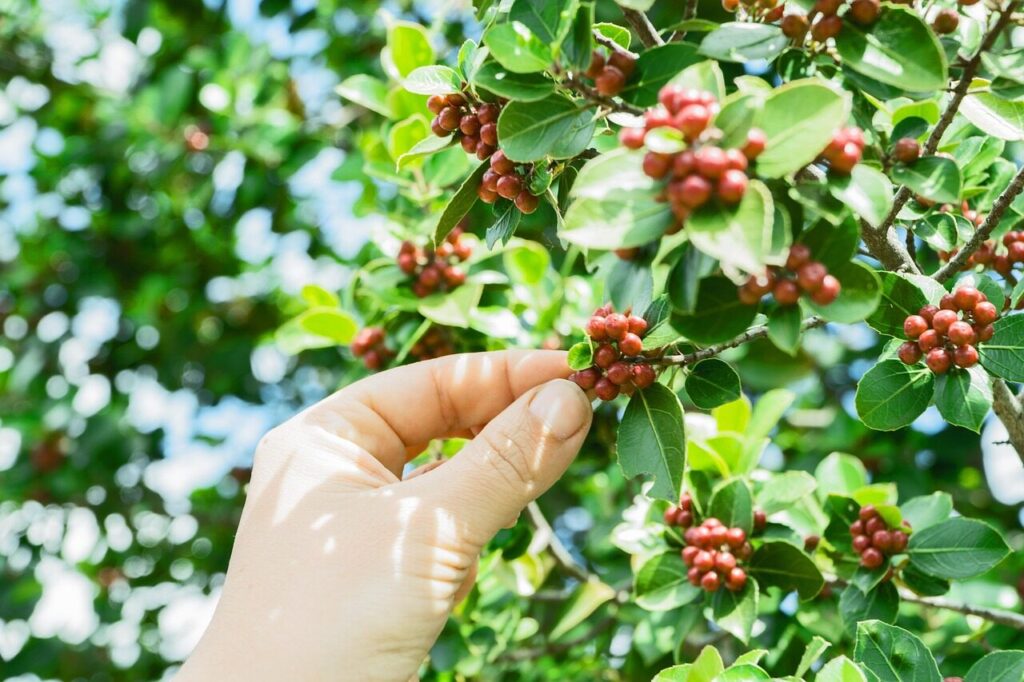
The table below gives typical tendencies. Treat it as a map, not a promise. A farm’s altitude, variety and processing often matter more than its department, and a good lot from any region can surprise you.
| Region | Where | Typical cup |
|---|---|---|
| Nariño | Far south, near the Ecuador border | Bright, sweet and clean, with citrus and floral notes |
| Cauca | South-west, around Popayán | Balanced and smooth, with soft acidity, honey sweetness and mild fruit |
| Huila | South, between two Andean ranges | Sweet and juicy, with caramel, citrus and red fruit |
| Tolima | Central-west | Medium body, caramel sweetness and gentle fruit |
| Eje Cafetero (Caldas, Risaralda, Quindío) | Central, the traditional coffee heartland | Classic and balanced, with chocolate, nuts and mild fruit |
| Antioquia | North-west, around Medellín | Rounder body, with chocolate, nuts and soft fruit |
The south is where many of the most fruit-forward lots come from. Nariño’s high, steep farms produce slow-ripening cherries and sparkling cups, while Huila and Cauca are often a little rounder and sweeter. If you want to see how much Colombian coffee can vary, these three regions are a good place to start.
The central coffee axis is the area most people picture when they think of Colombia. Its UNESCO-recognized coffee landscape includes parts of Caldas, Risaralda, Quindío and Valle del Cauca. Cups from here and from Antioquia are generally the most approachable: soft, chocolatey and easy to drink black or with milk. Other areas, such as Santander and the Sierra Nevada de Santa Marta, are generally milder and produce smaller volumes.
If you have tried Brazilian beans, you will notice the difference. Brazilian coffee usually has lower acidity and a nuttier, heavier profile (more in our guide to Brazilian coffee). Colombian coffee usually sits between that and the brighter, more floral cups of East Africa.

How to Read a Colombian Coffee Label
Colombian bags often carry more information than you might expect. These are the terms worth understanding:
- Supremo and Excelso: these are size grades, not quality grades. Supremo beans are larger and Excelso slightly smaller. Size helps with even roasting, but it does not guarantee a better flavor.
- Region or municipality: a department like Huila is useful, but a named town, cooperative or farm tells you more.
- Variety: Caturra, Castillo or Geisha hint at the style of cup. A single named variety is common in specialty lots.
- Process: washed will taste clean and structured. Natural or honey will taste fruitier and heavier.
- Altitude: higher usually means more acidity and a more complex cup, though it is not a rule.
- Roast date: a recent date matters more than any quality term on the front of the bag.
If a bag simply says “Colombian” with no region, it is probably a blend of lots. That is not bad. It is often a dependable, balanced coffee for everyday brewing. A named single origin is the better choice when you want to taste what a particular place can do. Our guide on how to choose coffee beans covers the rest of the shopping decision.
Brewing Colombian Coffee at Home
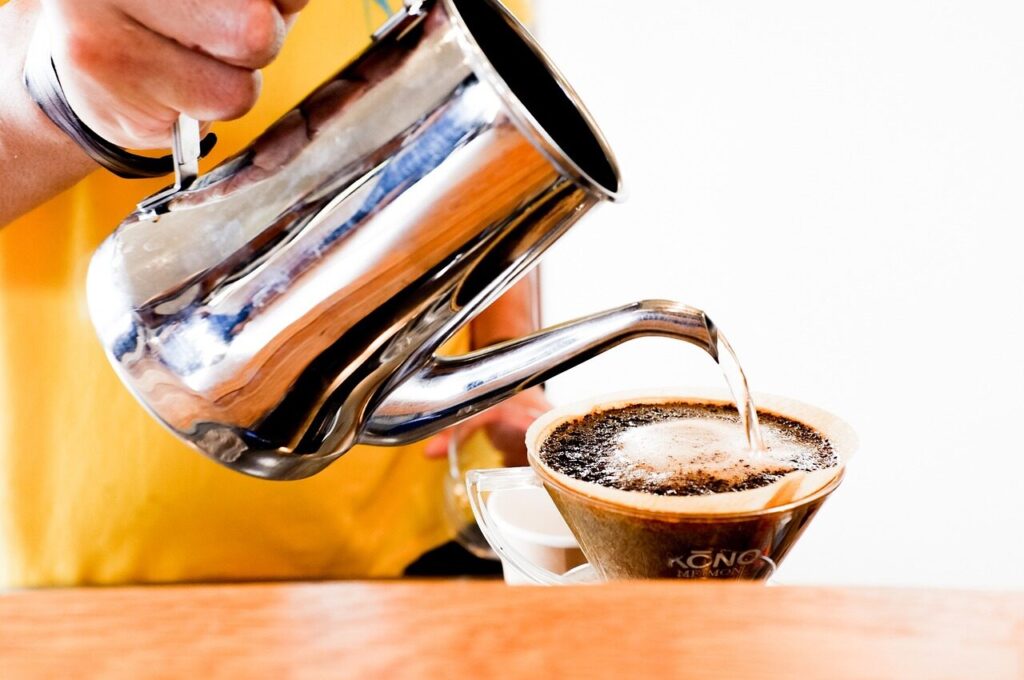
Colombian coffee is forgiving, so most methods work. A paper-filter pour-over shows off the sweetness and acidity best, and it is the easiest way to tell one region from another. This is a starting recipe for one cup. For full technique, see our V60 pour-over guide.
You will need:
- 15 g / about 2 level tbsp whole beans, ground medium
- 240 ml / 1 cup water at 93–96 °C / 199–205 °F
- A dripper with a paper filter, a kettle, a scale and a timer
- Rinse the paper filter with hot water and discard the rinse water.
- Add the ground coffee and level the bed.
- Pour about 30 g / 30 ml of water over the grounds to wet them evenly. Wait 30 to 45 seconds for the bloom.
- Pour the remaining water slowly in small circles, reaching 240 ml / 1 cup by about the 1:30 mark.
- Let the water drain fully. Total brew time should land around 2:30 to 3:00.
- Swirl, pour and let the cup cool a few minutes. The sweetness and fruit show up more as it cools.
If the cup tastes sour or thin, grind a little finer or use water at the hotter end of the range. If it tastes harsh or dry, grind coarser. Change one thing at a time.
Roast level changes the picture a lot. Light to medium roasts keep the fruit and floral notes of southern coffees. Medium to medium-dark roasts push toward cocoa, caramel and toasted nuts, which suits the central and northern regions and works well with milk. Our roast levels guide explains what changes at each stage.
Choosing Your First Bag
Pick two small bags with different profiles: one from Nariño, Huila or Cauca, and one from Antioquia or the central coffee axis. Brew them the same way, on the same day, and taste them side by side. The difference in acidity and sweetness will tell you more about your own preferences than any description.
After that, you can follow what you liked. If the southern cup was your favorite, look for higher altitudes and washed or lightly processed lots. If the central cup won, a medium roast of a named cooperative lot is a reliable choice.
Frequently Asked Questions
Is Colombian coffee arabica or robusta?
Colombian coffee is almost entirely arabica. The country’s altitude and climate suit arabica, and its reputation is built on that species. Robusta is not a significant part of its export identity, so a bag labeled Colombian is arabica in nearly every case.
Is Colombian coffee strong?
It is medium-bodied and balanced, not especially heavy or harsh. How strong a cup tastes depends mostly on dose, grind and roast rather than origin. Caffeine content also depends on how much coffee you use and how you brew, and arabica generally has less caffeine than robusta.
Is Colombian coffee good for espresso?
Yes. A medium or medium-dark Colombian roast gives caramel, chocolate and nut flavors that hold up well in espresso and in milk drinks. Lighter roasts from southern regions can taste quite bright as espresso, so adjust your recipe if that is too sharp for you.
Is Colombian coffee good as cold brew?
It works well. Cold brewing mellows acidity and highlights the sweetness, so a central or northern Colombian coffee tends to taste smooth, with cocoa and caramel notes. A southern coffee will give a fruitier, livelier cold brew if you prefer that.