

The difference between cold brew and iced coffee is the brewing method, not the temperature of the glass. Cold brew is made by steeping coarse grounds in cold or room-temperature water for many hours. Iced coffee is brewed hot, like any other cup, and then chilled.
That one change affects flavor, strength, effort, and how long the drink keeps. Here is how cold brew vs iced coffee plays out in the cup, plus a simple recipe for each.
Cold Brew vs Iced Coffee at a Glance
Both drinks end up cold, and both can be served over ice with milk or sweetener. What separates them happens before the glass: how the flavor is pulled out of the grounds.
| Feature | Cold brew | Iced coffee |
|---|---|---|
| Water temperature | Cold or room temperature | Hot, then chilled |
| Brew time | Roughly 12 to 24 hours | A few minutes |
| Grind | Coarse | Medium, as for your usual hot method |
| Typical taste | Smooth, mellow, chocolate and nut notes | Brighter, more aromatic, more acidity |
| Planning needed | Start the day before | Ready in minutes |
| Keeps in the fridge | About a week | Best within a day or two |
How Cold Brew Is Made and Why It Tastes Smoother
Hot water extracts coffee compounds quickly, including the sharp, bright acids and some of the bitter ones. Cold water extracts more slowly and more selectively. Time makes up for the missing heat, and the result is a rounder, softer drink with fewer sharp edges.
Some of the volatile aromatics that give hot coffee its fragrance are also less present, so cold brew tastes quieter and more chocolatey. Many people describe it as lower in acidity. That is mostly about how it tastes, and measured acidity differences are smaller than the flavor suggests.
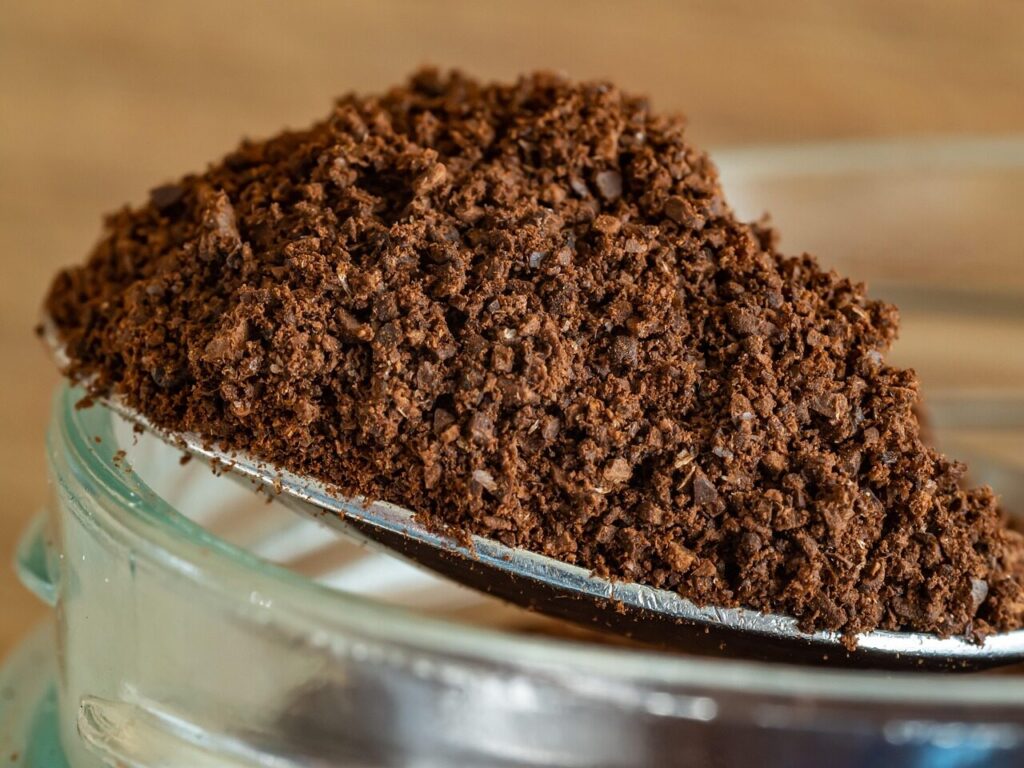
Basic cold brew recipe
You need: a large jar or pitcher, a scale (or measuring spoons), a fine mesh strainer, and a paper filter or clean cloth for the final strain.
- 60 g / about 10–12 tbsp coarsely ground coffee
- 480 ml / 2 cups cold, filtered water
- Add the grounds to the jar and pour in the water. Stir gently until all the grounds are wet.
- Cover and steep for 12 to 16 hours in the refrigerator (about 4°C / 39°F), or around 12 hours at room temperature.
- Strain through the mesh strainer, then pour the liquid through a paper filter or cloth to remove fine sediment.
- Serve over ice. Taste it first and add water or milk if it is stronger than you like.
This 1:8 ratio gives a drink you can sip as it is. If you want a stronger base that you dilute later, our guide to making a cold brew concentrate covers the ratios and dilution. For the right coarseness, check the coffee grind size chart. Too fine and the brew turns muddy and bitter.
How Iced Coffee Is Made
Iced coffee starts as a normal hot brew. The challenge is cooling it without turning it into weak, watery coffee. Pouring a finished cup over ice dilutes it, and letting it cool slowly in the fridge dulls the flavor.
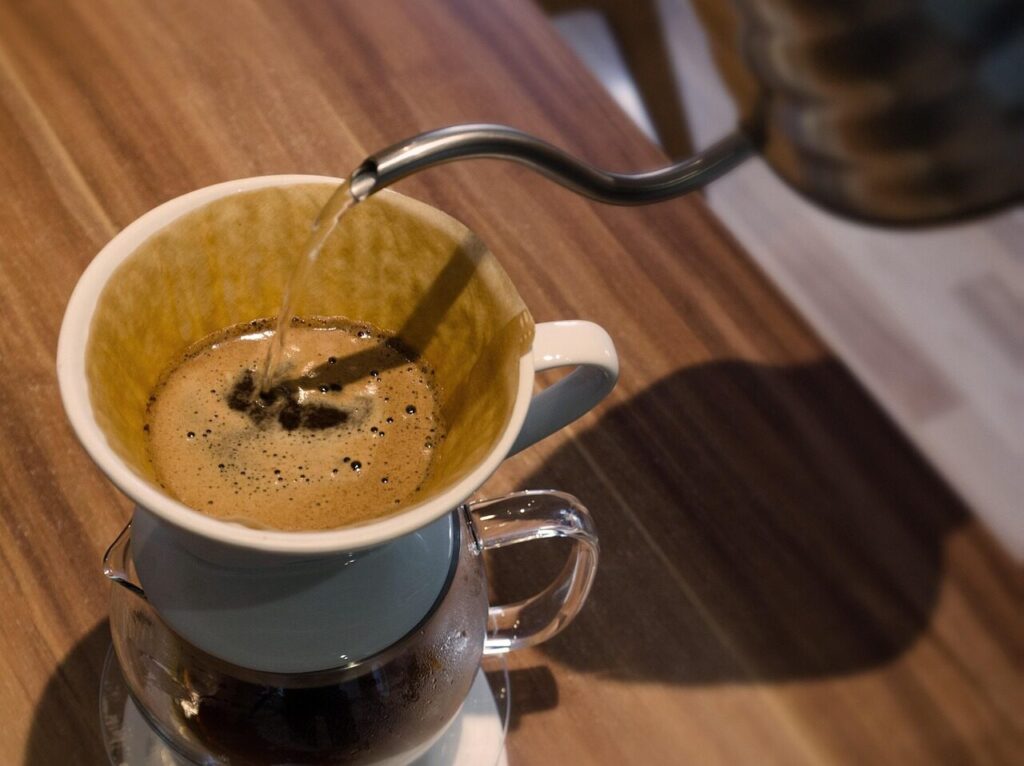
The fix is to brew it strong, directly onto ice, so it chills in seconds. This is often called the flash-chill or Japanese-style method, and it keeps the aroma and brightness that cold brew lacks.
Flash-chilled iced coffee recipe
You need: a pour over dripper with paper filters, a kettle, a scale, and a heatproof glass or server.
- 30 g / about 6 tbsp medium-ground coffee
- 240 ml / 1 cup hot water at 93–96°C / 200–205°F
- 150 g / 5 oz ice, placed in the bottom of the server
- Put the ice in the server and set the dripper on top with a rinsed filter.
- Add the grounds and pour a small amount of hot water to wet them. Wait about 30 seconds.
- Pour the rest of the water in slow circles, finishing in about 2 to 3 minutes.
- Swirl until the ice has mostly melted, then pour over fresh ice to serve.
The ice replaces part of the brewing water, so the coffee is concentrated when it drips and ends up at normal strength once the ice melts. For more fixes, see our guide to making iced coffee that isn’t watery.
Taste and Strength: What You Will Notice
Put the two side by side and the gap is clear. Flash-chilled iced coffee tastes like the coffee you would drink hot: fruit, florals, and a lively finish if the beans have them. Cold brew tastes heavier and sweeter and often reads as more chocolatey than the same beans brewed hot.
Cold brew also hides flaws. A lightly bitter or flat bean can taste pleasant when steeped cold. If your hot coffee tastes harsh, our article on why coffee tastes bitter explains how to fix it. Iced coffee has less room to hide, since a stale or over-extracted brew will still taste that way once chilled.

Is Cold Brew Higher in Caffeine?
Not automatically. Caffeine depends on how much coffee you use, how long it steeps, and how much you dilute the finished drink. Cold brew often uses more coffee per liter than a typical hot brew, which can raise the caffeine per glass, especially if you drink the concentrate lightly diluted. But a cold brew steeped for 12 hours and a cup of iced coffee brewed at a normal ratio can land closer than people expect.
Iced coffee loses a little strength to melting ice, and a big glass of either drink can add up. For general figures, see how much caffeine is in a cup of coffee. If you are pregnant, take medication, have high blood pressure, or react strongly to caffeine, ask your doctor how much is right for you.
Choosing Beans for Each Style
Roast level matters more than origin here. Medium and dark roasts suit cold brew because they give deep, sweet, low-acid flavors, and Brazilian, Colombian, and similar chocolate-and-nut coffees work well. Lighter roasts can taste thin or slightly grassy when steeped cold, though some people enjoy their tea-like character.
Light and medium roasts shine in flash-chilled iced coffee because hot water brings out their fruit and aroma. If you are unsure how roast levels differ, our roast level guide shows what changes in the cup. Use freshly ground coffee for either method, since the grind is what you are extracting from.
Storage and Serving
Cold brew keeps best in a sealed glass container in the refrigerator, where it holds its flavor for about a week. After that it gradually turns flat and sour. If you made a concentrate, keep it undiluted and mix each glass as you go.
Iced coffee is at its best right after brewing. If you have leftovers, refrigerate them in a closed container and drink them within a day or two. Freezing leftover coffee in an ice tray gives you cubes that will not water down the next glass.
A Simple Way to Choose
Pick cold brew when you can plan ahead and want a smooth, low-effort batch that lasts several days. Pick flash-chilled iced coffee when you want a cold drink in a few minutes and want the coffee to taste like itself. Many home brewers keep a jar of cold brew in the fridge for busy mornings and make iced coffee when they want a particular bean to stand out.
Frequently Asked Questions
Is cold brew stronger than iced coffee?
Not necessarily. Strength depends on the coffee-to-water ratio, steep time, and dilution. Cold brew concentrate is very strong before you add water or milk, but a ready-to-drink cold brew and a well-made iced coffee can taste similar in strength.
Can I make cold brew with pre-ground coffee?
Yes, but choose a coarse grind if you can. Pre-ground coffee that is too fine will over-extract and clog the filter, leaving a cloudy, bitter drink. Fresh whole beans ground coarsely at home give cleaner results.
Is cold brew easier on the stomach?
Many people find it gentler and describe it as lower in acidity, but individual reactions vary and research is limited. If coffee regularly upsets your stomach or causes reflux, talk with your doctor rather than relying on the brew method alone.
Can I just put hot coffee in the fridge to make iced coffee?
You can, but the flavor suffers. Slow cooling dulls the aroma and can make the coffee taste flat. Brewing strong over ice, or chilling it quickly and serving over coffee ice cubes, gives a livelier cup.