

Cold brew concentrate is coffee steeped in cold water at roughly 1 part coffee to 4–5 parts water by weight, left for 12–18 hours, strained, and then diluted before you drink it. It is stronger than ready-to-drink cold brew, so one batch gives you several drinks over a week.
The recipe below makes about 600 ml (2½ cups) of concentrate, enough for around five glasses once diluted. You need coarse coffee, a jar, a strainer and patience. No special equipment is required.
What Cold Brew Concentrate Is (and Isn’t)
Hot brewing extracts flavor quickly. Cold brewing swaps heat for time, and the result usually tastes rounder and less sharp, with chocolate, nut and caramel notes more prominent than bright fruit. Because the water never gets hot, the extraction is slow and gentle.
A concentrate simply uses less water per gram of coffee. Think of it as a coffee syrup you adjust at the glass, rather than a finished drink. It is not espresso, and it should not be sipped neat unless you enjoy a very intense, almost syrupy cup.
If you are still deciding between a jar, a French press or a dedicated brewer, our article on how important the brewing tool is when making cold brew covers that question. For this recipe, a clean jar does the job well.
How to Make Cold Brew Concentrate at Home
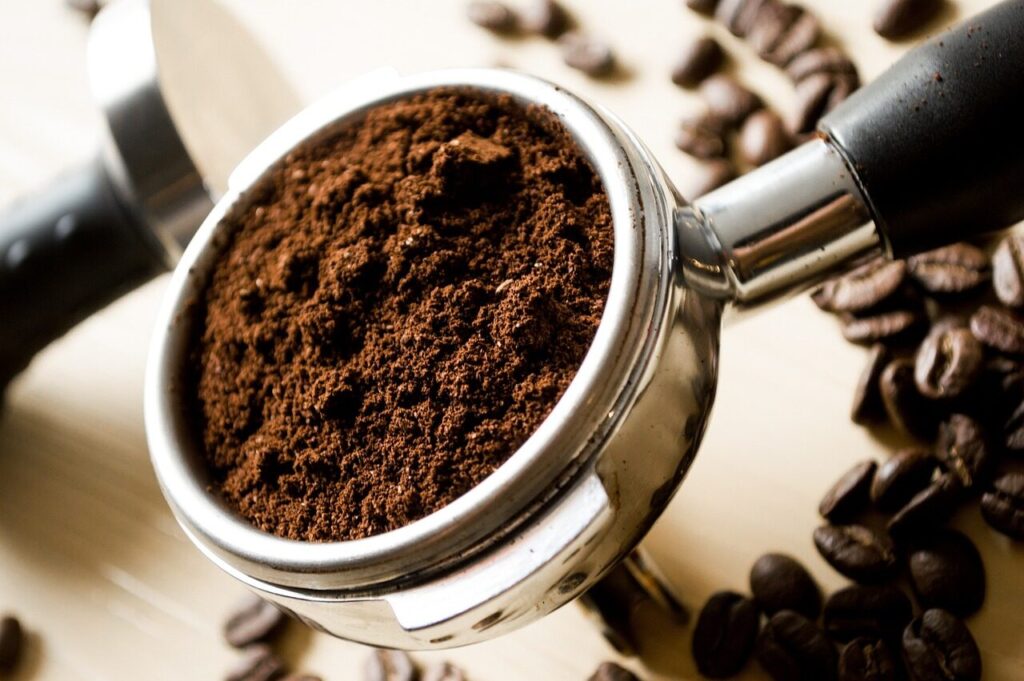
You will need:
- 200 g (7 oz) whole coffee beans, ground coarse
- 1,000 ml (34 fl oz, about 4¼ cups) cold, filtered water
- A large glass jar or pitcher, at least 1.5 liters (about 6 cups)
- A fine-mesh strainer
- Paper coffee filters or a clean cloth for the second strain
- A kitchen scale (strongly recommended)
- An airtight bottle or jar for storage
A scale matters here because scoop measurements vary a lot with roast level and grind. If you only have spoons, this method will still work, but expect some difference in strength from batch to batch and adjust at the dilution stage.
Method:
- Grind the beans coarse, about the texture of coarse sea salt or the grind you would use for a French press.
- Add the grounds to the jar and pour in about a third of the water. Stir gently so every particle is wet.
- Add the remaining water and stir once more. Press down any dry grounds floating on top.
- Cover the jar. Steep for 12–18 hours at room temperature, around 20–22°C (68–72°F), or 16–20 hours in the refrigerator at below 4°C (40°F).
- Strain through the fine-mesh strainer into a second container. Do not squeeze the grounds, as this pushes fine, bitter particles into the cup.
- Strain again through a paper filter or cloth. This is slow, so be patient. It removes the silt that makes concentrate cloudy.
- Pour into a clean airtight bottle and refrigerate.
You should end up with roughly 600 ml (2½ cups). Coffee soaks up about twice its weight in water, so the yield is always less than the water you started with.
Cold Brew Concentrate Ratios and Dilution
The brew ratio sets how strong the concentrate is. The dilution sets how strong the drink is. Changing one without thinking about the other is how people end up with something too weak or too harsh.
| Brew ratio (coffee : water, by weight) | Character | Starting dilution |
|---|---|---|
| 1:4 | Very strong, syrupy | 1 part concentrate to about 2 parts water or milk |
| 1:5 | Strong and balanced | 1 part concentrate to 1 part water or milk |
| 1:8 | Closer to ready-to-drink | Drink as it is, or add a small splash of water |
We recommend 1:5 as a first batch. It is concentrated enough to stand up to milk and ice, but forgiving if you make a small mistake with the grind or the steeping time.
Treat these as starting points. Taste your first glass, then adjust the water or milk up or down. Once you know your preferred dilution, you can tweak the brew ratio in the next batch.
Choosing Beans and Grind for Cold Extraction
Medium and medium-dark roasts are the usual choice, because their chocolate and nutty flavors come through clearly in a cold, slow extraction. Light roasts can work, but they sometimes taste thin or tea-like when brewed cold. If you want to experiment, keep a small batch separate before committing a full jar. For help picking beans in general, see our guide on how to choose coffee beans.
Freshness still counts. Beans roasted within the last few weeks give a cleaner, sweeter result than stale ones, though cold brew is more forgiving than espresso. Grind just before brewing if you can.
A burr grinder gives the most even coarse grind. Blade grinders produce a mix of dust and chunks, and the dust is what makes a concentrate muddy. If you need a refresher on settings, our article on grinding coffee beans explains the differences.
Straining Without the Silt
Straining in two stages is the habit that most improves a homemade concentrate. The mesh strainer removes the bulk of the grounds. A paper filter then catches the fine particles that stay suspended and keep extracting in the fridge, which can make the concentrate taste harsher after a few days.
Paper filters give a cleaner cup and a slightly lighter body. Metal mesh alone leaves more oils and fines in the liquid, which some people like. Our comparison of paper and metal filters shows what each one does to the flavor.
Paper filtering a large batch can take a while. Fill the filter slowly and do not stir the liquid, or the pores clog and the flow nearly stops. If one filter clogs, replace it and continue.

Serving: Ice, Milk and Hot Water
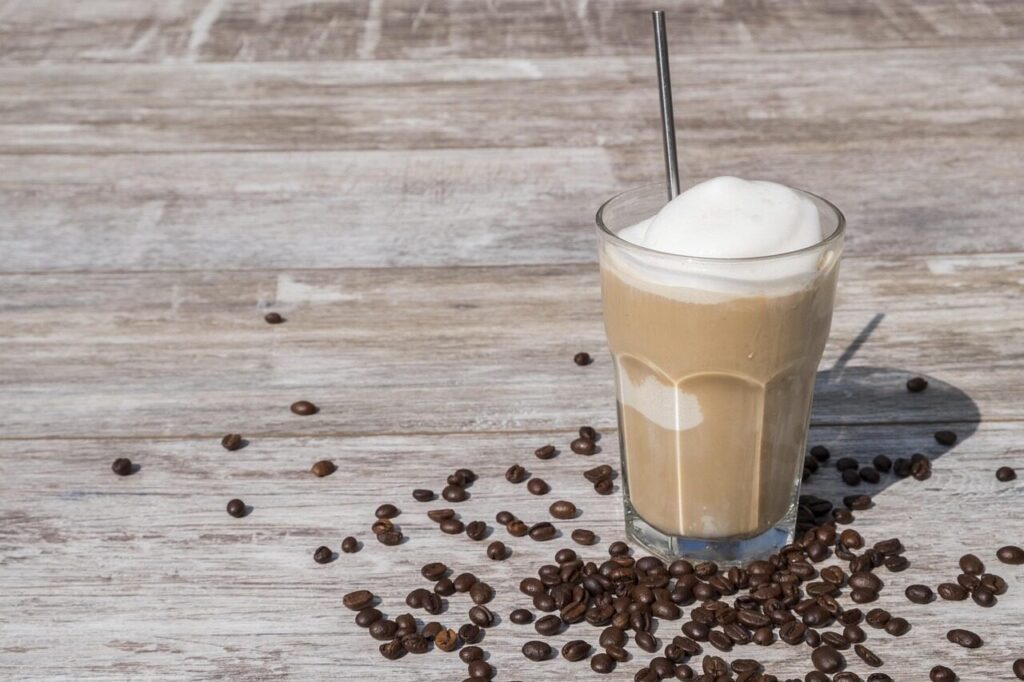
Fill a glass with ice, pour in the concentrate, then add cold water or milk. Stir and taste. Ice melts as you drink, so start with slightly less water than your target dilution. Our article on making iced coffee that isn’t watery goes deeper on that balance.
Here are a few simple ways to use a batch:
- Cold brew and milk: equal parts concentrate and cold milk over ice. For a more café-style drink, see our iced latte at home guide.
- Sparkling cold brew: concentrate over ice, topped with plain soda water.
- Hot cup, no brewing: mix 1 part concentrate with 1 to 2 parts hot water for a quick, mellow cup.
- Coffee ice cubes: freeze some diluted cold brew in a tray and use the cubes to chill drinks without watering them down.
- Dessert use: pour a small amount over vanilla ice cream, the way you would an affogato.
Sweeteners dissolve better in the concentrate before you add ice, so stir sugar or syrup in first.
Storing Your Concentrate
Keep the concentrate in a clean, airtight glass bottle or jar in the refrigerator. Store it undiluted, since diluted cold brew loses its flavor faster and takes up more space. For the best taste, plan to finish a batch within about a week to ten days. Some people keep it a little longer, but the flavor gradually flattens and can turn stale.
Cold brew is a low-acid, nutrient-rich liquid that spoils like any other food, so use clean equipment and cold storage. If it smells sour, fermented or just wrong, throw it out.
Fixing Common Problems
- Weak or watery: use a higher ratio of coffee, such as 1:4, or grind slightly finer next time. You can also dilute less.
- Bitter or harsh: shorten the steep toward 12 hours, or try a coarser grind. A very dark roast can also taste bitter when brewed cold.
- Sour or thin: the coffee is probably under-extracted. Steep longer, keep it at room temperature rather than the fridge, or switch to a darker roast.
- Cloudy or gritty: the grind was too fine or the straining was rushed. Repeat the paper filter step and use a burr grinder if you can.
- Flat after a few days: make smaller batches. Half the recipe is easier to finish while it still tastes fresh.
Change one variable at a time. If you adjust the grind, ratio and time together, you will not know which change fixed the problem.
Caffeine and Strength
A concentrate contains a lot of coffee in a small volume, and the caffeine in your glass depends on both the brew ratio and how much you dilute. A cup made from a strong concentrate with little water can contain more caffeine than you expect. Our article on how much caffeine is in a cup of coffee gives context for comparing it with other drinks.
If you are pregnant, take medication, have high blood pressure, or are sensitive to caffeine, talk to your doctor about how much coffee suits you. Measure the concentrate rather than pouring freely, and dilute it properly.
A Simple Routine for the Week
Start a batch in the evening and strain it the next morning. Write the brew date on a piece of tape on the bottle. After the first glass, note your dilution on the same label so the next batch is easy to match.
Once you have found a ratio you like, repeat it exactly for a few batches before experimenting. Consistency is what turns a decent homemade concentrate into one you can rely on. More ideas are collected on our recipes page.
Frequently Asked Questions
Can I use pre-ground coffee to make cold brew concentrate?
Yes, if it is ground coarse, such as pre-ground labeled for French press. Standard drip or espresso grinds are too fine, and they leave a cloudy, silty concentrate that is slow to filter and tends to taste harsher.
Can I heat cold brew concentrate?
You can. Mix it with hot water to make a quick hot cup, or warm the diluted drink gently. The flavor will differ from a freshly brewed hot coffee, usually smoother and a little less aromatic.
Is cold brew concentrate the same as espresso?
No. Espresso is brewed in seconds with hot water under pressure, while concentrate steeps for many hours in cold water. Espresso is more intense and aromatic, and concentrate is smoother and meant to be diluted.
Is cold brew easier on the stomach than hot coffee?
Many people find cold brew tastes smoother, and some report it feels gentler. Research on this is limited, and reactions vary from person to person. If coffee bothers your stomach, ask your doctor, and start with small servings.