

Bitter coffee almost always means over-extraction. Too much of the bean’s soluble material ended up in your cup, including the harsh compounds that dissolve last. The usual triggers are a grind that is too fine, water that is too hot, a brew that runs too long, or too little coffee for the amount of water.
Stale beans, very dark roasts and dirty equipment can add bitterness of their own. The good news is that you can fix most cases in a few brews by changing one thing at a time. A little bitterness is normal and even pleasant, as in espresso or dark chocolate. The problem is bitterness that is harsh, dry and lingers on your tongue.
Is It Bitter or Just Sour?
Before you change anything, name the flavor correctly. Bitter and sour are opposites on the extraction scale, and fixing the wrong one makes the cup worse. Bitter sits at the back of the tongue and lingers. Sour hits the sides of the tongue and fades fast.
| What you taste | Likely cause | Direction to adjust |
|---|---|---|
| Harsh, dry, lingering bitterness | Over-extraction | Coarser grind, shorter contact time, slightly cooler water |
| Sharp, thin, lemony sourness | Under-extraction | Finer grind, longer contact time, hotter water |
| Bitter and sour in the same cup | Uneven extraction | More consistent grind, even wetting of the grounds |
| Flat, papery, stale | Old beans or pre-ground coffee left open | Fresher beans, better storage |
If your cup is bitter and sour at once, the grounds are extracting unevenly. Some particles are over-extracted while others barely gave up anything. A grinder that produces a lot of fine dust next to large chunks is a common reason.
Common Causes of Bitter Coffee
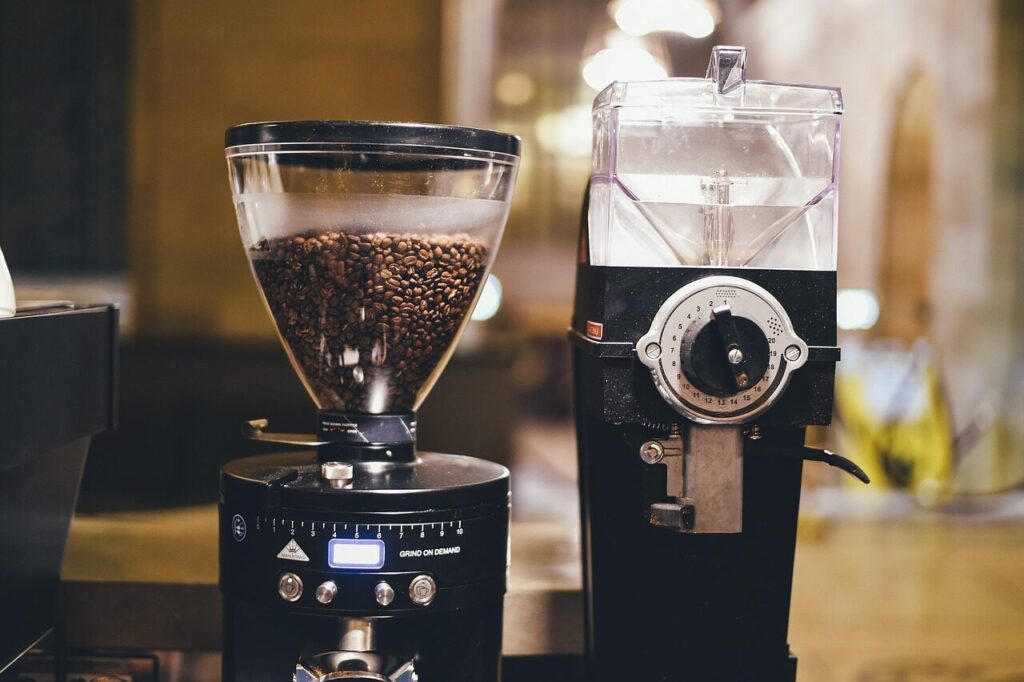
The grind is too fine
Smaller particles have more surface area, so water pulls flavor out of them faster. With a fine grind in a method that needs a coarse one, you get over-extraction quickly. Our coffee grind size chart shows the right range for each method. If your cup is bitter, move one or two steps coarser and taste again.
The water is too hot
Water straight off a rolling boil, 100°C (212°F), extracts the bitter compounds more aggressively. For most filter methods, aim for 92–96°C (198–205°F). In practice, that means letting the kettle sit for 30 to 60 seconds after boiling. Darker roasts often taste better at the lower end, around 88–92°C (190–198°F), because they dissolve more easily.
The brew runs too long
Every method has a rough contact time. Pour over usually finishes in 2.5 to 4 minutes, French press in about 4, and espresso in roughly 25 to 30 seconds. Go well beyond that and bitterness climbs. A pour over that drags on for five minutes is usually a sign of a grind that is too fine, because the water is slowed down by clogged filter paper.
There isn’t enough coffee for the water
This one surprises people. Using too little coffee for the amount of water pushes extraction higher and gives a thin, bitter, hollow cup. A solid starting point for filter coffee is about 15 g (3 level tablespoons) of ground coffee per 250 ml (8.5 fl oz) of water. Our coffee to water ratio chart covers other methods and strengths.
Caffeine is not the main culprit
Caffeine does taste bitter, but it contributes only part of the picture. Compounds created during roasting and extracted late in the brew play a larger role. That is why decaf can taste bitter too, and why a weaker-tasting cup is not necessarily a lower-caffeine one. For the caffeine side, see our piece on how much caffeine is in a cup of coffee.
Fixes by Brewing Method
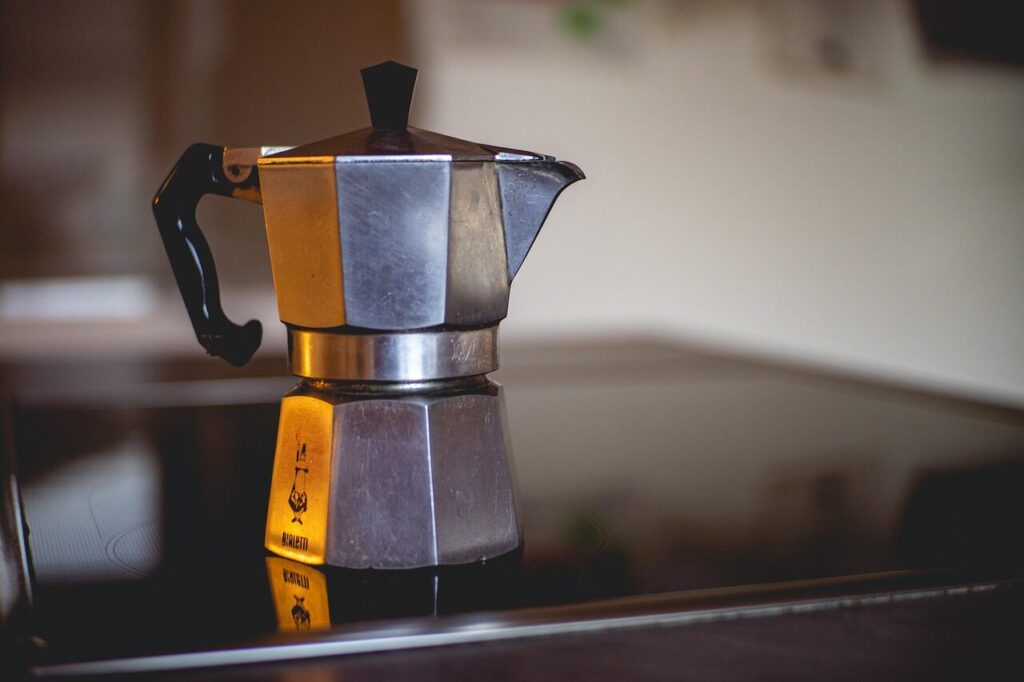
Each method goes bitter in its own way. Start with the lever that matters most for yours.
| Method | Typical bitter-cup cause | First fix to try |
|---|---|---|
| Espresso | Shot runs too long or grind too fine | Aim for about 18 g (0.6 oz) in and 36 g (1.3 oz) out in 25–30 seconds; grind coarser if it runs slower |
| Pour over / drip | Slow drawdown, water too hot | Coarser grind, let the kettle rest after boiling |
| French press | Grind too fine, steep too long | Coarse grind, steep for about 4 minutes, pour out right away |
| Moka pot | Pot left on heat after brewing is done | Remove from heat once it starts to gurgle, cool the base under cold water |
| Turkish coffee | Letting it boil hard | Take it off the heat as the foam rises, before it boils over |
| Cold brew | Steeped too long or ground too fine | Coarse grind, steep 12–18 hours in the fridge |
A few of these deserve a closer look. With espresso, a shot that is bitter and dry is often “choked,” meaning water is struggling through a too-fine puck. Go coarser, not finer. With a moka pot, using water that is already hot in the base shortens the time the grounds sit on the heat. Leaving the pot on the stove after the coffee has come up cooks it.
If you brew with a press, our guide on how to make French press coffee walks through the full method, including how to keep the coffee from sitting on the grounds.

When the Beans Are the Problem
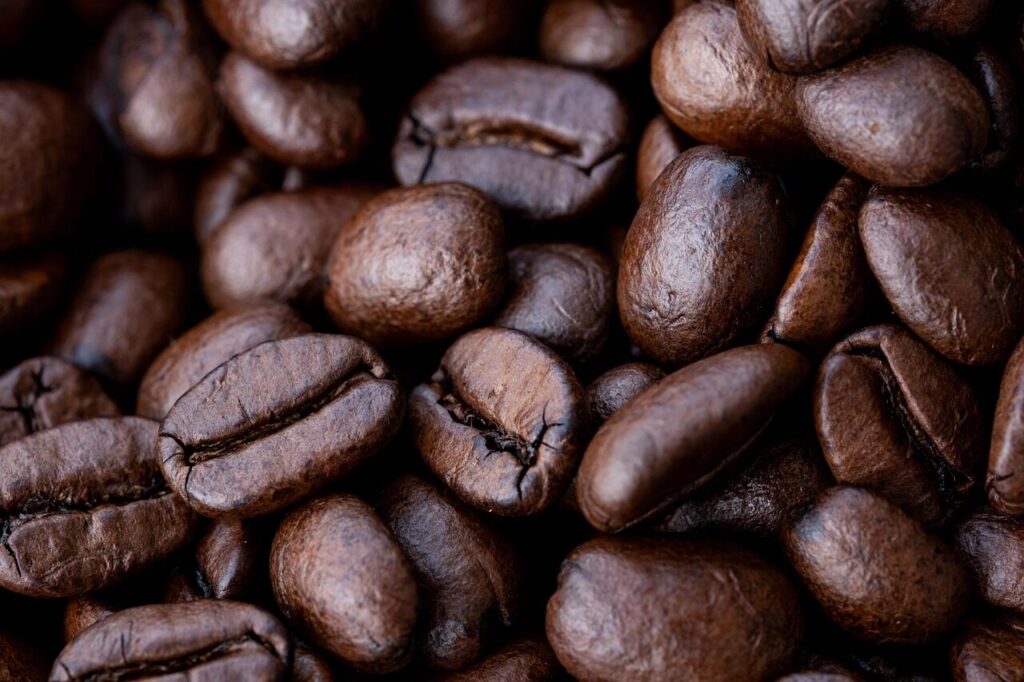
Sometimes your technique is fine and the coffee itself is the issue. Three things come up most often.
- Roast level. Dark roasts have more roast-derived bitterness, and very dark, oily beans can taste burnt or ashy no matter how carefully you brew. Medium roasts are more forgiving. Our guide to light, medium and dark roast explains what changes in the cup.
- Robusta content. Robusta is naturally more bitter and rubbery than arabica, and cheaper blends often include it. Check the bag for “100% arabica” if you want a smoother cup.
- Age. Stale coffee loses its sweetness and aroma, so what is left tastes flat and harsh. Beans that have been open for weeks, or ground coffee left in a warm cupboard, are common offenders.
Freshness is easy to control. Buy smaller bags, grind just before brewing, and keep the beans airtight and away from light and heat. We cover the details in how to store coffee beans so they stay fresh.
Equipment and Water: The Overlooked Causes
Coffee oils build up on brewers, portafilters, grinders and carafes. Over time they go rancid and add a bitter, sometimes soapy taste to every cup. If you have not cleaned your gear in a while, that alone can explain the problem. Follow our guide on how to clean a coffee machine, and rinse grinder hoppers and burrs according to the manufacturer’s instructions.
A hot plate is another quiet offender. Coffee that sits on direct heat for an hour keeps cooking and turns bitter and burnt. Move leftover coffee to an insulated carafe instead.
Water matters too, since a cup is more than 98 percent water. Heavily chlorinated tap water can add a chemical edge that reads as bitterness. Very hard water and scale in the machine can also push the flavor off. If your tap water tastes odd on its own, filtered water is a simple test. Distilled water is not a good idea, because coffee needs some minerals to extract properly.
A Simple Way to Troubleshoot Your Next Brews
Random changes make it hard to learn what worked. A cleaner approach is to treat each brew as a small experiment.
- Brew a baseline cup exactly as you normally do and note the dose, water amount, temperature and time.
- Change only one variable for the next cup, such as the grind setting by one step.
- Taste both cups side by side once they have cooled slightly, since bitterness is easier to judge below scalding temperature.
- Keep the change if the new cup is sweeter and cleaner. Revert it if it turns sour or thin.
- Write down the final recipe so you can repeat it with the same beans.
When you switch to a new bag, expect to adjust slightly. Different roasts and ages of beans extract differently, so a recipe that worked last month may need a small tweak.
What to Do With a Cup That’s Already Bitter
You do not have to pour it out. Diluting it with a splash of hot water softens the edge, much like an Americano does with espresso. Milk and a little sugar also round off harshness. Some baristas add a very small pinch of salt to a bitter cup, because salt can reduce how bitter coffee tastes. Start with just a few grains, as too much quickly becomes noticeable.
Treat these as rescues, not fixes. Once you know which variable caused the problem, your next brew will taste better without any help. For more on getting every step right, our overview of what makes quality coffee is a good place to read next, and you can browse more tutorials in our Guides section.
Frequently Asked Questions
Does a pinch of salt really fix bitter coffee?
A few grains of salt can make coffee taste less bitter, and some baristas use it to rescue a poor cup. It masks the flaw rather than correcting it, so fix the grind, temperature or brew time for the next batch.
Is bitter coffee a sign of strong coffee?
No. Strength describes how much coffee is dissolved in the water, while bitterness is a flavor from over-extraction or dark roasting. You can brew a strong cup that tastes sweet and balanced, or a weak one that tastes harsh.
Why does my coffee taste bitter even with good beans?
Good beans cannot make up for brewing mistakes. A grind that is too fine, water straight off the boil, or a dirty brewer can all turn quality beans bitter. Check these before blaming the coffee.
Does reheated or old brewed coffee taste more bitter?
Usually, yes. Brewed coffee keeps changing as it sits, especially on a hot plate, and the flavors turn flat and harsh. For better results, brew smaller batches or keep leftover coffee in an insulated carafe.