

The main difference in espresso vs coffee is how the drink is made, not what it is made from. Espresso is a small, concentrated coffee brewed by forcing hot water through finely ground, tightly packed coffee under pressure in about 25 to 30 seconds. What most Americans call “coffee” is brewed with a coarser grind, gravity or immersion, and several minutes of contact time.
Both start with the same coffee seeds, roasted and ground. Everything else, including strength, texture, caffeine per serving and the way you drink it, follows from the brewing method. Here is how each piece changes the cup.
It’s the method, not the bean
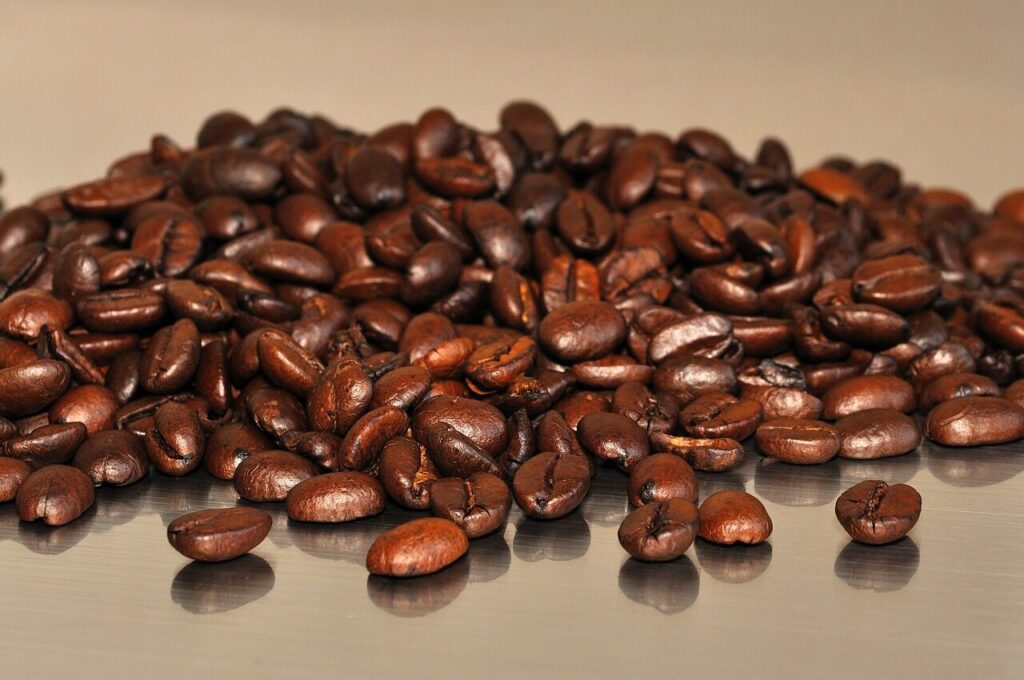
There is no such thing as an “espresso plant.” Any coffee bean can be brewed as espresso or as filter coffee. A bag labeled “espresso” is a roaster’s suggestion: usually a blend or single origin roasted to give a balanced, sweet shot that also holds up in milk.
Traditionally, espresso roasts have leaned medium-dark to dark, which tones down sharp acidity under high-pressure extraction. Many specialty roasters now sell lighter espresso roasts too. They taste brighter and fruitier, but they are less forgiving and need more careful dialing in. Our guide to light, medium and dark roast covers what each level does to flavor.
Blends are also more common in espresso than in filter coffee. Some Italian-style blends include a portion of robusta for a thicker crema and a heavier body. The beans themselves are not a dividing line between the two drinks. Using a “filter roast” for espresso, or the reverse, is perfectly fine. You just adjust the grind and recipe to suit.
How the brewing differs
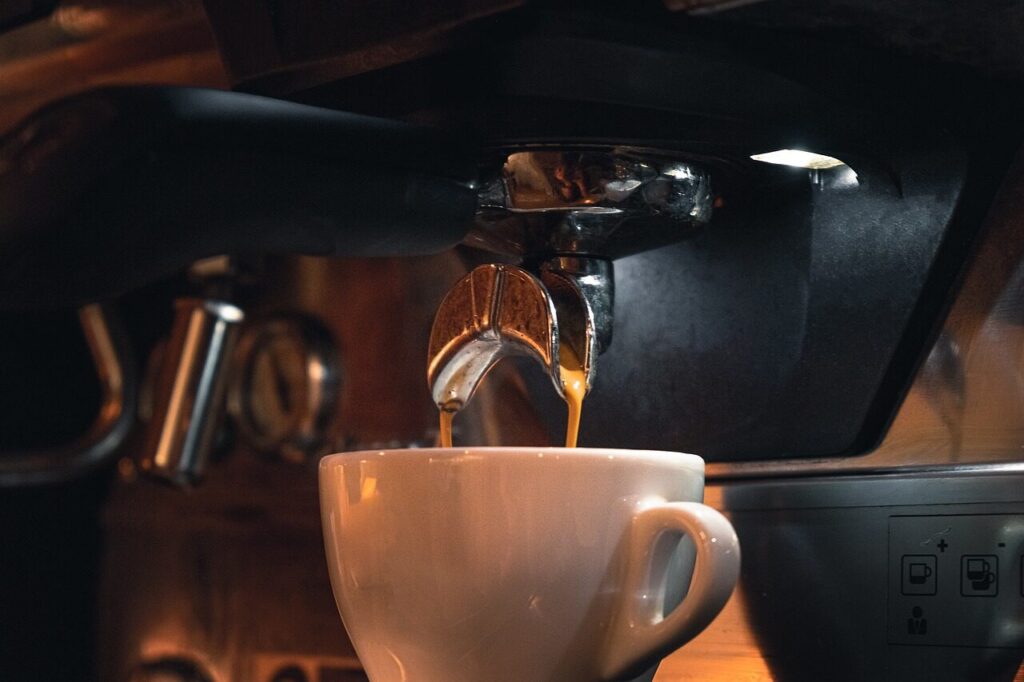
Espresso machines push water at roughly 9 bar of pressure (about 130 psi) through a compact puck of fine grounds. Drip machines and pour-over cones use gravity, and immersion methods such as the French press simply steep the grounds. Pressure lets espresso extract quickly from a very fine grind, which is why the shot is so concentrated.
| Factor | Espresso | Drip or pour-over coffee |
|---|---|---|
| Grind | Fine, like table salt or a bit finer | Medium, like coarse sand |
| Typical recipe | 18 g (0.6 oz) in, 36 g (1.3 oz) out | 30 g (1 oz) per 480 ml (16 fl oz) water |
| Ratio (coffee : water) | About 1:2 | About 1:15 to 1:17 |
| Water temperature | 90–96 °C / 194–205 °F | 92–96 °C / 197–205 °F |
| Pressure | About 9 bar | None (gravity) |
| Brew time | 25–30 seconds | 3–6 minutes |
| Serving size | 30–60 ml (1–2 fl oz) | 240–360 ml (8–12 fl oz) |
The ratio row matters most. Espresso uses far less water per gram of coffee, so a small amount of liquid carries a lot of dissolved flavor. If you want to compare other methods, the coffee to water ratio chart puts them side by side.
Because the contact time is so short, grind consistency and tamping pressure matter far more in espresso. A small change in grind setting can turn a balanced shot into a sour, gushing one or a bitter, choking one. For a full walkthrough of dialing in a shot, see our guide on how to make a good espresso.
What about moka pots and AeroPress?
These are often sold as “espresso-style,” but they generally reach far less pressure than a real machine. They make strong, concentrated coffee that works well in milk drinks, but it lacks the true crema and texture of a machine shot. If you do not own a machine, our article on making espresso without a machine explains what you can and cannot get close to.
Taste and texture in the cup
Espresso tastes concentrated, sweet-bitter and syrupy. The pressure emulsifies coffee oils and traps tiny gas bubbles, forming crema, the reddish-brown foam on top. Crema looks appealing, but it is thin in flavor and slightly bitter on its own, so a thick crema does not guarantee a good shot.
Filter coffee is lighter in body and usually clearer. Without that pressure, fewer oils and fine particles end up in the cup, especially when you use a paper filter. That clarity lets delicate flavors such as florals, citrus and stone fruit come through more easily. A metal filter or French press gives a heavier, fuller cup, closer to espresso in texture but still milder in intensity.
Bitterness is where the two often get confused. Espresso is naturally more intense, but a bitter, harsh cup from either method usually points to over-extraction, water that is too hot, or a stale or very dark roast. If yours tastes unpleasant, check common causes of bitter coffee before blaming the method.

Caffeine: per shot, per ounce and per cup
Espresso has more caffeine per ounce, but a normal serving of drip coffee usually has more caffeine in total. A single shot of about 30 ml (1 fl oz) commonly lands somewhere around 60 to 75 mg. An 8 oz (240 ml) cup of brewed coffee often falls in a range of roughly 80 to 120 mg or more. These are rough, commonly cited ranges, not exact values.
The picture changes with serving size. A double shot is roughly comparable to a small cup of drip coffee, and a large mug of filter coffee can easily out-caffeinate a single espresso. The numbers also shift with the bean: robusta contains considerably more caffeine than arabica, and a heavy-handed dose or longer brew time raises the total.
Roast level is often blamed, but its effect is small compared with serving size and bean type. Dark roast is not “stronger” in caffeine. It just tastes bolder. For more detail on how much caffeine different drinks contain, see how much caffeine is in a cup of coffee.
If you are pregnant, have high blood pressure, take medication, or notice that caffeine makes you jittery or affects your sleep, ask your doctor what amount is suitable for you. Research suggests that sensitivity to caffeine varies widely from person to person, so the same drink can feel very different from one drinker to the next.
Language: what people mean by “coffee”
Part of the confusion is cultural. In the United States, ordering “a coffee” almost always means brewed drip coffee. In Italy, Spain and much of southern Europe, a plain “caffè” or “café” is an espresso, and brewed filter-style coffee is the exception. Visitors on either side of the Atlantic can end up with something very different from what they expected.
Espresso is also the base for most café menu drinks. Cappuccinos, lattes and flat whites are all built on shots. If you are curious how they differ from one another, we break it down in latte vs cappuccino vs flat white. An Americano is the bridge between the two worlds: espresso diluted with hot water to a volume similar to filter coffee, though the flavor stays distinct.
Which to brew at home
Choose espresso if you mostly drink milk-based drinks, enjoy a short intense cup, and are willing to invest in a grinder that can adjust in fine steps. Machines and grinders for this style take practice and cost more to set up, and tiny errors show up in the cup right away.
Choose filter coffee, pour-over or a French press if you drink larger cups, prefer a gentler flavor, or want something forgiving that rewards good beans. Brewing methods in this group tolerate small mistakes and need far less equipment.
Many home brewers end up doing both: filter coffee on weekday mornings for a big mug, and an espresso or milk drink when there is time to fuss with it. Either way, fresh beans and a decent grinder improve the cup more than the choice between the two methods.
Frequently Asked Questions
Is espresso just strong coffee?
Not exactly. Espresso is a method that uses pressure, a fine grind and a short brew to make a concentrated drink. It tastes stronger per sip, but a regular mug of coffee often contains more total caffeine than one shot.
Can I use regular coffee beans for espresso?
Yes. Any roasted beans can be brewed as espresso. The label mostly signals a roast and blend that suits the method. Use a much finer grind than for drip and adjust until the shot tastes balanced instead of sour or harshly bitter.
Is espresso bad for your stomach compared with drip coffee?
It depends on the person. Some people find the intensity or acidity of coffee upsetting, whether espresso or drip. Research on stomach effects is mixed. If coffee regularly causes discomfort, try a smaller serving, drink it with food, or ask your doctor.
Why does espresso taste stronger than coffee?
Espresso uses far less water per gram of coffee, roughly 1:2 versus about 1:16 for filter. The result is a concentrated, syrupy liquid with more dissolved flavor in each sip, even though the cup itself is small.